The Evolution of Fandom Engagement and Digital Discourse
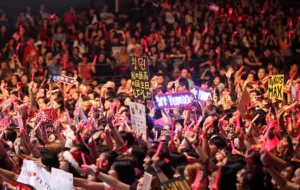
The history of K-pop fandoms can be traced back to the "First Generation" in the late 1990s, characterized by localized fan clubs and physical gatherings. During this era, communication was largely one-way, with fans consuming media through television and radio. However, the advent of the "Second Generation" (mid-2000s to early 2010s) saw the rise of internet forums and early social media, which allowed for more direct interaction and the formation of global communities.
Today, in the "Fourth and Fifth Generations," the proximity between artist and fan has reached an all-time high. Platforms such as X (formerly Twitter), Weverse, Bubble, and Instagram provide fans with near-instantaneous access to their favorite idols. While this has strengthened the "parasocial relationship"—the psychological bond fans feel toward celebrities—it has also provided a direct conduit for negativity. The anonymity afforded by the internet often emboldens individuals to transition from being consumers of entertainment to becoming "haters," a term used within the community to describe those who disseminate malicious, baseless insults targeted at idols or other fans.
Distinguishing Constructive Criticism from Malicious Harassment
For a fandom to remain healthy and sustainable, it is essential to differentiate between legitimate critique and toxic behavior. Constructive criticism is an integral part of the artistic process and public discourse. It involves providing feedback that is specific, actionable, and focused on professional output rather than personal traits. In contrast, "hating" is destructive by nature, offering no path for improvement and serving only to cause distress.
Related Articles
Objective Analysis versus Personal Attacks
One of the primary markers of constructive engagement is the ability to stay on topic. In professional discourse, if a fan or critic takes issue with an idol’s performance—such as their vocal stability, choreography execution, or acting range—the commentary should remain focused on those specific skills. When the narrative shifts toward an idol’s physical appearance, perceived personality flaws, or private life, the discourse moves from criticism into the realm of personal harassment.

Industry analysts note that personal attacks often serve as a logical fallacy known as ad hominem, where the speaker attacks the character of the person rather than the substance of the argument. In the K-pop community, this often manifests as fans dismissing the opinions of others based on their appearance or perceived intelligence, a practice that diminishes the quality of the community’s collective dialogue.
The Value of Helpful Feedback
Constructive criticism seeks to add value to the conversation. Rather than simply "crucifying" an artist for a mistake or a controversial statement, a constructive critic asks: What was the specific issue? How could the performance be improved? What are the cultural or professional contexts that led to this moment? By offering encouraging yet honest feedback, fans can contribute to an artist’s growth. This approach recognizes that idols are human beings subject to learning curves and errors, rather than infallible products.
The Psychological and Professional Impact on Idols
The consequences of online toxicity are not limited to digital spaces; they have profound real-world implications. The South Korean entertainment industry has faced several tragedies linked to cyberbullying and the immense pressure placed on young performers. Research into the mental health of K-pop idols suggests that the constant barrage of "hate comments" can lead to severe anxiety, depression, and social withdrawal.
Chronology of Industry Response to Cyberbullying
The industry’s approach to online harassment has shifted from passive endurance to active legal intervention over the last decade:
- 2010–2015: Agencies generally ignored online comments unless they involved extreme rumors. Idols were often expected to "endure" the pressure as part of their professional duties.
- 2016–2019: Following several high-profile mental health crises within the industry, agencies began to issue formal warnings against malicious commenters. The "Sulli Law" was proposed in the Korean National Assembly to combat cyberbullying, though it faced challenges in implementation.
- 2020–Present: Major entertainment companies, including HYBE, SM Entertainment, JYP Entertainment, and YG Entertainment, have established dedicated legal teams and reporting systems. These agencies now regularly file criminal complaints against netizens who spread false rumors or engage in sexual harassment and defamation.
Legal Frameworks and Official Agency Responses
The shift toward a "zero-tolerance" policy regarding online hate is backed by South Korea’s strict defamation laws. Under the Act on Promotion of Information and Communications Network Utilization and Information Protection, individuals can be prosecuted for spreading both true and false information if it is deemed to have damaged someone’s reputation.

In recent years, agencies have released quarterly updates on their legal proceedings. For example, HYBE (the agency behind BTS and SEVENTEEN) frequently publishes notices stating that they have secured evidence of malicious postings from various platforms and are pursuing "no-settlement" policies, ensuring that offenders face the full extent of the law. This legal trend serves as a deterrent, signaling that the digital space is no longer a lawless environment where fans can attack idols with impunity.
The Threshold of Death Threats
The most extreme form of online toxicity is the issuance of death threats. While some users may claim such comments are "hyperbole" or "jokes," law enforcement and agencies treat them as serious criminal threats. In several instances, international tours have been disrupted or security measures heightened due to online threats against specific group members. Legal experts emphasize that wishing harm upon another individual or suggesting the world would be better off without them crosses a definitive moral and legal line that cannot be justified by "personal opinion."
Fandom Ethics and Digital Literacy
To maintain the integrity of the K-pop community, a focus on digital literacy and "fandom ethics" is required. This involves the practice of being the "bigger person" in digital conflicts. When fans encounter toxicity, the most effective response is often not retaliation—which can escalate the situation—but rather the "report and block" strategy. By refusing to engage with haters, fans deprive them of the attention and "satisfaction" they seek, while also saving their own time and emotional energy.
Data on Social Media Sentiment
Market research data suggests that while "hate" comments often garner significant engagement due to their controversial nature, they represent a minority of the total fandom volume. However, because negative sentiment is often "louder" and more likely to be shared by algorithms designed to maximize engagement, it can create a distorted perception of an artist’s public standing. This phenomenon, known as the "vocal minority" effect, underscores the importance of the silent majority practicing positive reinforcement and constructive engagement.
Broader Implications for the Global Music Industry
The struggle between criticism and toxicity in K-pop is a microcosm of a larger global issue within digital culture. As K-pop continues to influence global fashion, music, and social trends, the behavior of its fandoms serves as a blueprint for other entertainment sectors.

The industry’s move toward protecting its artists through legal means and mental health support is a significant step forward. However, the ultimate solution lies in the evolution of fan behavior. If the community can pivot toward a model where flaws are discussed with nuance and mistakes are met with a call for accountability rather than destruction, the industry will become more resilient.
In conclusion, while K-pop is primarily a source of entertainment, the discourse surrounding it carries significant weight. By adhering to professional standards of criticism—staying on topic, offering helpful feedback, keeping perspective, and rejecting all forms of violence—fans can ensure that the community remains a space for celebration rather than conflict. As the industry continues to grow, the responsibility of the fan to act as a constructive participant in the cultural dialogue becomes more vital than ever. The goal is not to eliminate disagreement, but to ensure that disagreement does not devolve into the destructive patterns that characterize modern online hate.