K-Pop rookie sensation ILLIT has become the focal point of widespread public discussion and significant online mockery following the viral dissemination of videos illustrating remarkably low ticket sales for their upcoming encore concerts in South Korea. With the highly anticipated performances scheduled for next month, the glaring disparity between the group’s digital popularity and tangible concert demand has sparked a contentious debate across social media platforms and within industry circles.
Alarming Ticket Sales Figures Emerge
The controversy ignited on September 21, 2026, when a video clip circulated rapidly across X (formerly Twitter) and other social media sites, purporting to show the live ticketing interface for ILLIT’s two-day encore concert series. The video, originally posted by a user identified as @quiruion, depicted a vast expanse of unpurchased seats, despite tickets having been available for over a week. Screenshots and subsequent analyses by concerned netizens further underscored the severity of the situation.
According to data compiled from these viral posts, the total capacity for ILLIT’s two concert dates combined was approximately 14,483 seats. However, as of the time the video gained traction, only an estimated 5,787 tickets had been booked across both days. This translates to a staggering unsold rate, with nearly 60% of tickets remaining available just weeks before the concerts. For a group launched by a major entertainment conglomerate like HYBE Corporation, this level of unsold inventory for a domestic concert is highly unusual and has been widely perceived as a significant setback.
The concerts are slated to take place at the recently opened Inspire Arena, a state-of-the-art facility located in Yeongjongdo, Incheon. While Inspire Arena boasts a capacity of up to 15,000 for concerts, offering a premier experience, its geographical location outside the immediate Seoul metropolitan area has also been cited as a potential deterrent for some attendees, particularly when coupled with the contentious ticket pricing.

Chronology of ILLIT’s Debut and Concert Announcement
ILLIT, a five-member girl group, made their highly anticipated debut in March 2024 under BELIFT LAB, a subsidiary of HYBE Corporation. Their debut single, "Magnetic," quickly gained immense popularity, especially on global streaming platforms and short-form video applications like TikTok. The song’s catchy melody and distinctive choreography propelled it to viral status, leading to significant chart success both domestically and internationally. "Magnetic" notably became the fastest K-Pop debut song by a girl group to enter the Billboard Hot 100, fueling expectations of ILLIT becoming a dominant force in the competitive K-Pop landscape.
Riding on the wave of their initial success, BELIFT LAB announced the encore concerts, likely aiming to capitalize on their perceived virality and consolidate their burgeoning fandom. The decision to hold two large-scale concerts at a venue like Inspire Arena suggested a high level of confidence from their agency regarding ILLIT’s ability to draw a substantial live audience. Tickets went on sale several weeks prior to the viral incident, allowing ample time for fans to secure their spots. The expectation, typical for a group from a "Big 4" agency, would have been a rapid sell-out, or at least a significant portion of tickets sold within the initial days. The current situation sharply contrasts with these industry norms and initial projections.
Deep Dive into Fan Reactions and Criticisms
The revelation of the low ticket sales sparked a torrent of reactions online, predominantly characterized by mockery and sharp criticism. Many netizens were quick to highlight what they perceived as a disconnect between ILLIT’s strong digital presence and their apparent lack of a robust, dedicated concert-going fanbase.
One prominent sentiment was direct mockery of the group’s "viral" status. Commenters suggested that their initial success was largely a product of sophisticated viral marketing tactics rather than organic fan engagement. "These ILLIT stans were always making a big deal about the view counts, but now that it’s been revealed that it was just viral marketing, they’ve gone quiet again lol," read one widely shared comment, encapsulating the cynical view that their popularity was manufactured. Another user simply stated, "the amount of empty seats omg? i knew the situation was bad but not this bad," expressing genuine shock at the scale of unsold tickets.

Beyond the mockery, a significant portion of the criticism was directed at HYBE and BELIFT LAB. Some fans explicitly blamed "HYBE’s tactics," implying that the agency’s strategies might have focused too heavily on digital metrics and global reach, potentially neglecting the cultivation of a strong domestic core fandom crucial for concert sell-outs. Allegations of inflating virality through promotional pushes were also subtly implied.
Perhaps the most concrete and frequently cited reason for the low sales, aside from the perceived lack of a strong fandom, was the exorbitant ticket pricing. Floor seats were priced at ₩220,000 KRW (approximately $160 USD), while regular seats commanded ₩165,000 KRW (approximately $120 USD). These prices are considered exceptionally high, especially for a rookie group holding their first major domestic concerts. To put this in perspective, established K-Pop groups with years of experience and massive fanbases often price their concert tickets in a similar range, sometimes even lower for certain sections.
One fan articulated this concern poignantly: "Floor seats are ₩220,000 KRW (about $160 USD)… Regular seats are ₩165,000 KRW (about $120 USD)… It already costs a fortune in transportation just to get to Inspire, and now the ticket prices are insane too. The fans don’t seem to be that old on average either… With the location and prices being this damn ridiculous, how are these kids supposed to even go there..?" This comment highlighted multiple pain points: the high ticket cost, the additional financial burden of transportation to the relatively distant Inspire Arena, and the demographic reality of K-Pop fandom often comprising younger individuals with limited disposable income. The logistical challenge of reaching Yeongjongdo from Seoul, often requiring significant travel time and expense, further compounded the issue for potential attendees.
Another user provided a numerical breakdown, emphasizing the scale of the problem: "ILLIT probably got the most ticket loses in kpop history ever. even scalper ticket will going down their knees. total seat need to sold = 14,483 current booked for 2 days= 5,787." Such statements underscore the perception that this incident is an outlier, even in the highly competitive K-Pop industry.
Broader Implications for ILLIT, HYBE, and the K-Pop Industry
The implications of ILLIT’s low ticket sales extend far beyond the immediate financial impact of unsold seats. This situation carries significant weight for the group, their agency, and the broader K-Pop industry.
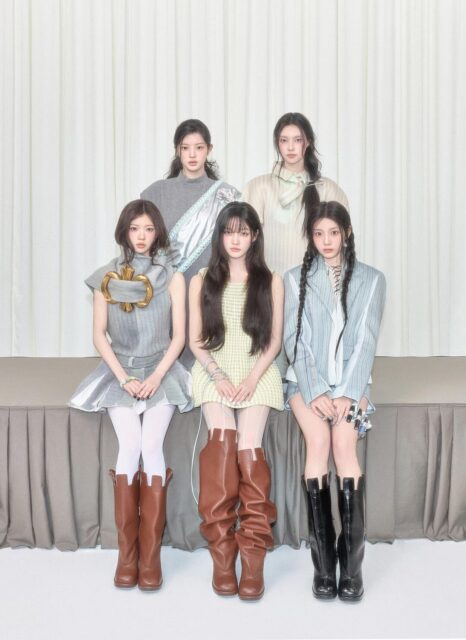
For ILLIT: The most immediate consequence is reputational damage. Public perception of the group, which had been largely positive due to their viral debut, may now shift towards skepticism regarding their actual popularity and fan engagement. Such public scrutiny can be demoralizing for a rookie group, potentially affecting their confidence and future performances. It also raises questions about their ability to sustain long-term success if digital virality doesn’t translate into tangible fan support for paid content like concerts. Future concert planning will undoubtedly require a strategic re-evaluation, possibly involving smaller venues, more accessible locations, or more affordable ticket prices. The incident could also influence the public’s reception of their subsequent music releases.
For HYBE and BELIFT LAB: As a leading entertainment conglomerate, HYBE prides itself on its strategic prowess in artist development and marketing. This incident casts a shadow on their methods for launching and promoting new groups. It prompts scrutiny of their "viral marketing" approach and whether it effectively builds a loyal, dedicated fanbase rather than just transient digital engagement. The high ticket prices, likely set by the agency, will come under intense criticism, forcing a reevaluation of their pricing models, especially for burgeoning acts. This event could serve as a cautionary tale within the company, urging a more balanced approach that prioritizes genuine fan connection over purely digital metrics. It also raises questions about the internal assessment of ILLIT’s domestic popularity versus their perceived global reach.
For the K-Pop Industry: This situation could be a significant indicator of evolving trends and challenges within the K-Pop landscape. The industry has increasingly focused on global expansion and digital engagement, sometimes at the expense of cultivating strong domestic core fandoms. ILLIT’s case highlights a potential disconnect between massive streaming numbers and physical concert attendance, suggesting that digital virality alone may not guarantee success in the live performance sector. It underscores the importance of a loyal, dedicated fanbase that is willing and able to financially support their artists through concert tickets, albums, and merchandise. This incident might prompt other agencies to rethink their strategies for rookie groups, potentially advocating for a more gradual build-up from smaller fan meetings and more affordable events before scaling up to large arenas. It also adds to the ongoing discussion about the sustainability of the rapidly expanding K-Pop market and whether the current growth models are truly robust. In an increasingly saturated market, genuine fan connection and value for money become paramount.
Moving Forward: A Critical Juncture
As the October concert dates rapidly approach, ILLIT and BELIFT LAB face a critical juncture. The low ticket sales represent a significant challenge that demands a strategic response. Whether they choose to implement last-minute promotions, adjust ticket prices, or offer additional fan benefits remains to be seen. However, one thing is clear: the incident has ignited a crucial conversation about the true nature of K-Pop stardom in the digital age, emphasizing that viral success on screens does not always equate to sold-out arenas in real life. The industry will be closely watching how this situation unfolds and what lessons are learned from ILLIT’s unexpectedly arduous journey to fill their concert seats.