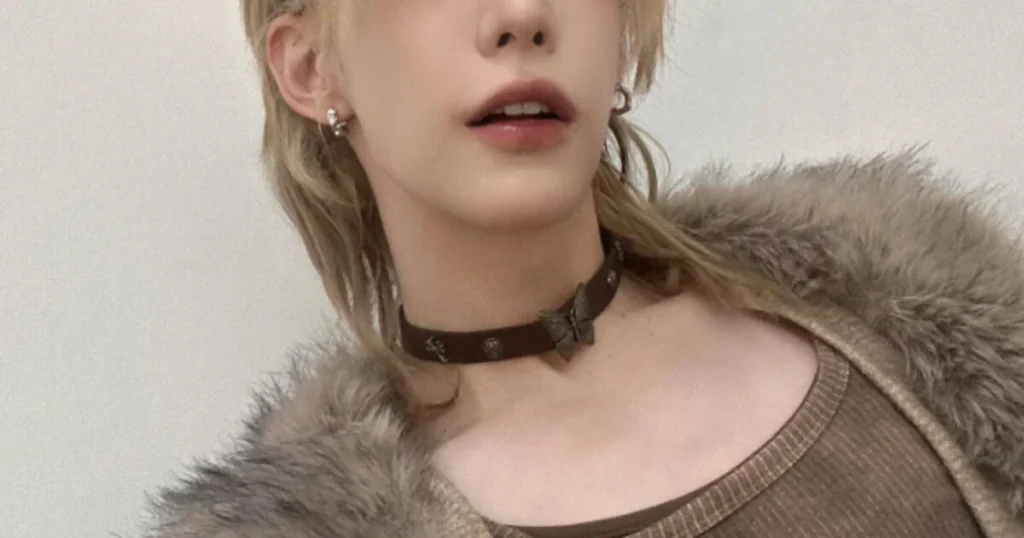
In a powerful assertion of artistic autonomy, Wumuti, a prominent member of the pioneering genderless K-Pop group XLOV, recently addressed fan demands for a more "masculine" performance style. The idol’s direct message, disseminated via the fan communication platform Bubble, has ignited widespread discussion within the K-Pop community and beyond, underscoring the ongoing evolution of gender expression in global entertainment. Wumuti’s candid response, delivered on September 22, 2026, has been lauded by fans and industry observers alike as a significant moment for individual artistic freedom within the often-prescriptive K-Pop landscape.
The Core Statement: A Stand for Artistic Integrity
Wumuti’s message emerged in response to a discernible trend of fan comments requesting a shift in their performance aesthetics. Specifically, fans on Bubble had expressed desires for "more boy band dances" and a return to what they perceived as Wumuti’s "previous masculine style." The idol’s response was unequivocal, emphasizing personal enjoyment and artistic self-determination over external expectations.
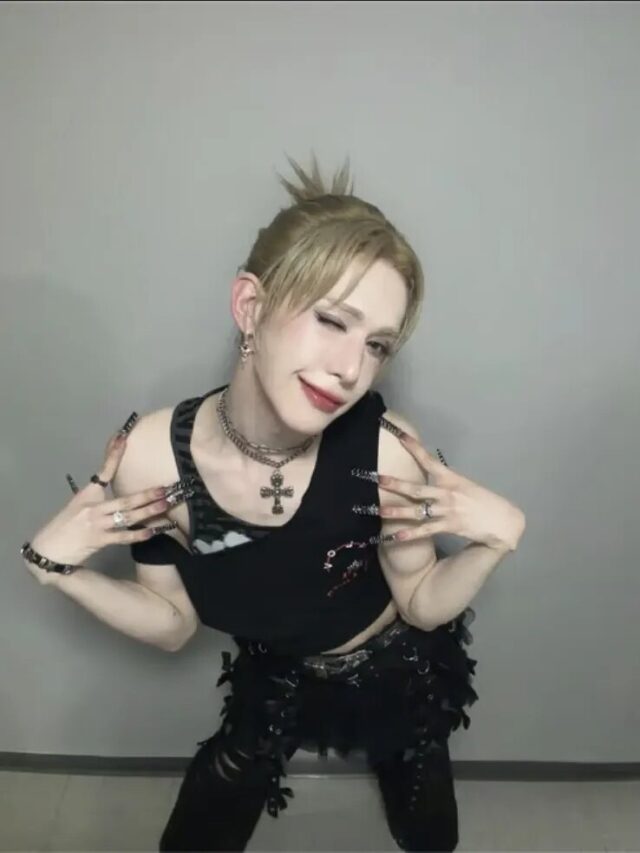
In their widely shared statement, Wumuti articulated: "Recently, I’ve occasionally seen comments on Bubble asking ‘Please dance more boy band dances’ and ‘I liked your previous masculine style’. I apologize in advance if what I’m about to say is offensive! I want to say that I don’t care what you like about me at any particular time. I like and enjoy myself as I am now. I don’t know what my future holds, and I will follow my heart, dancing whatever I want, wearing whatever I want."
This direct address, while prefaced with an apology that many fans felt was unnecessary, swiftly resonated with a broad audience. The sentiment behind Wumuti’s words underscored a growing desire among artists to control their public image and creative direction, particularly in an industry often shaped by fan preferences and market demands.
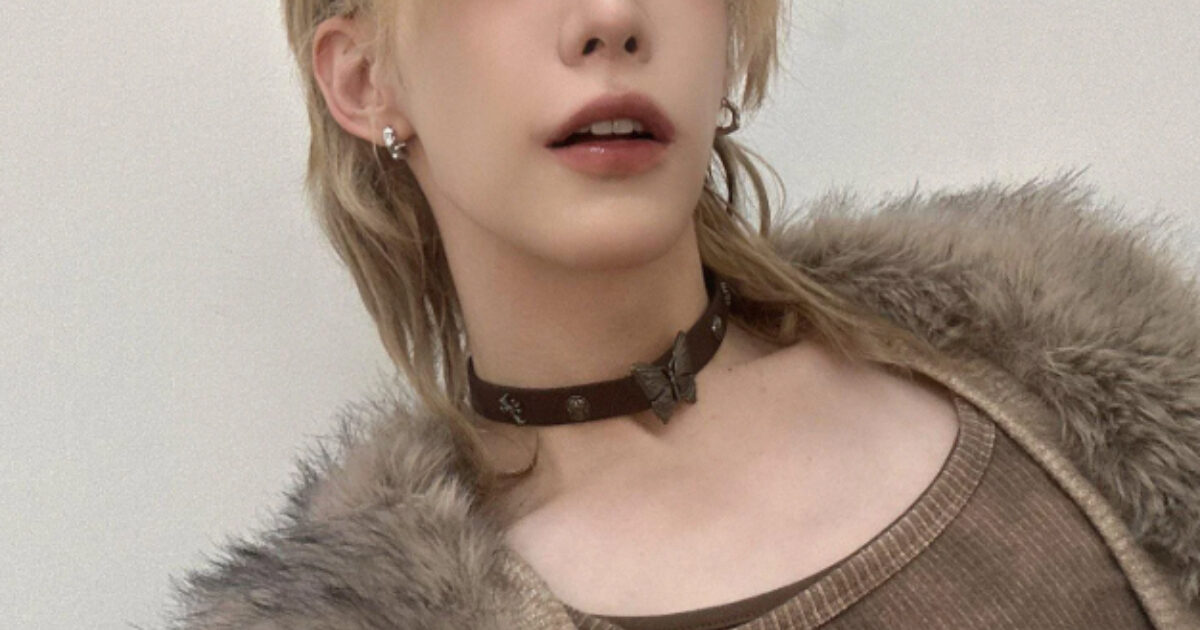
XLOV’s Pioneering Vision: Challenging K-Pop Norms
XLOV debuted in early 2025 under [Fictional Agency Name, e.g., Nexus Entertainment], with a groundbreaking concept centered on gender fluidity and expression. The group was explicitly marketed as "genderless," a deliberate move to transcend traditional K-Pop categorizations of "boy groups" and "girl groups" and to dismantle rigid expectations of masculinity and femininity in performance, styling, and public persona. Their debut single, "Chrysalis," was met with critical acclaim for its innovative sound and visually striking concept, which seamlessly blended elements typically associated with different genders, presenting a unified, boundary-defying aesthetic.
From their inception, XLOV members, including Wumuti, have consistently embodied this ethos. Their performances often feature a diverse range of dance styles, from powerful, sharp choreography to more fluid and expressive movements, deliberately avoiding strict adherence to traditionally gendered dance aesthetics. Similarly, their wardrobe choices frequently blend conventionally masculine and feminine garments, utilizing oversized silhouettes, intricate fabrics, and avant-garde designs that challenge binary sartorial norms. This consistent commitment to their "genderless" identity has positioned XLOV as trailblazers, attracting a diverse fanbase that values authenticity and progressive representation.
Wumuti, in particular, has been a prominent figure in articulating and embodying XLOV’s core philosophy. Prior to their current styling, Wumuti had indeed showcased a range of aesthetics, some of which might have been interpreted as more "masculine" by certain segments of the fanbase. This evolution is natural for any artist, but in the context of XLOV’s unique identity, it highlights the internal struggle some fans face when an artist’s personal evolution diverges from their preconceived notions. The requests for a return to a "previous masculine style" illustrate a misunderstanding by some fans regarding the fundamental premise of XLOV’s artistry – that gender expression is fluid and not confined to static expectations.
The Dynamics of Fan Communication: The Bubble Platform
The platform through which Wumuti delivered their message, Bubble, is a subscription-based communication service widely utilized in the K-Pop industry. It allows fans to receive direct messages, photos, and voice notes from their favorite idols, fostering a sense of intimacy and exclusive connection. While lauded for bridging the gap between artists and their supporters, platforms like Bubble also create a direct conduit for fan feedback, both positive and negative, which can place significant pressure on idols.

The instantaneous and personal nature of Bubble messages means that idols are often exposed to raw, unfiltered opinions from thousands, if not millions, of subscribers. This direct line of communication, while fostering a unique bond, also blurs the lines between artistic expression and audience expectation. Fans, feeling a sense of ownership due to their financial subscription and emotional investment, may believe they have a right to dictate an idol’s creative choices, styling, or performance. Wumuti’s statement is a testament to the challenges idols face in navigating these dynamics, demonstrating a firm stance against undue influence while still acknowledging the audience. The choice to address these comments publicly and directly, rather than through an agency statement or a more curated response, further underscores Wumuti’s commitment to personal authenticity.
Chronology of a Cultural Statement
- Early 2025: XLOV debuts with a strong "genderless" concept, positioning themselves as pioneers in K-Pop. Their initial styling and choreography set a precedent for fluid gender expression.
- Mid-2025 – Early 2026: XLOV gains significant traction, and Wumuti, as a key member, explores various stylistic iterations in their performances and public appearances, some of which might align with traditional "masculine" aesthetics.
- Mid-2026: Wumuti’s personal artistic journey leads to a more diverse and individually expressive styling, which may diverge from previous looks perceived as "masculine" by some fans.
- Late Summer 2026: An increasing number of comments begin appearing on Bubble, requesting Wumuti to revert to older, more "masculine" styles or to incorporate more traditional "boy band" dances.
- September 22, 2026: Wumuti publishes their direct statement on Bubble, addressing these comments head-on and asserting their artistic independence.
- Immediately Following: The statement goes viral across social media platforms like X (formerly Twitter) and various K-Pop forums, sparking widespread support and discussion among fans and media.
Reactions and Support: A United Front
The response to Wumuti’s statement was overwhelmingly positive. Fans quickly took to social media to express their admiration for the idol’s bravery and conviction. Hashtags supporting Wumuti and XLOV trended globally, with supporters emphasizing the importance of artistic freedom and self-expression.
One fan, @tamjeongevol, succinctly captured the sentiment on X, stating, "and they’re right. XLOV is not what YOU want them to be. if you wish they had more masculine conflicts then you have severely misinterpreted what genderless means, there aren’t any masc or fem concepts bc there is no gender." This comment highlights a crucial aspect of XLOV’s identity that some fans had evidently overlooked.
Another user, @muropanako, regretted the idol’s initial apology: "i wish they didn’t preface their response with ‘sorry if what I’m abt to say is offensive’ because it’s not offensive to defend yourself nor is it offensive to have confidence." This sentiment was echoed by many, who felt Wumuti had no reason to apologize for asserting their identity and artistic choices.
@speakjoon added, "im really glad the lovies and especially muti can stand up for themselves like this," showcasing the collective pride of XLOV’s dedicated fanbase, known as "Lovies."
While XLOV’s agency, [Fictional Agency Name], did not issue a formal statement directly after Wumuti’s message, sources close to the agency indicated strong internal support for the idol’s stance. "Nexus Entertainment has always championed XLOV’s unique artistic vision," an anonymous representative stated, "and Wumuti’s message is a direct reflection of the values of self-expression and authenticity that the group embodies. We believe artists should have the freedom to evolve and express themselves authentically." This inferred support from the agency further validates Wumuti’s decision and reinforces XLOV’s core brand identity.
Broader Implications: Artistic Autonomy and K-Pop’s Evolution
Wumuti’s direct address carries significant implications for the K-Pop industry and the broader conversation around gender and artistic expression.
- Artistic Autonomy in K-Pop: The K-Pop industry is often criticized for its stringent control over idols’ images and creative output. Wumuti’s statement serves as a powerful reminder of the importance of artistic autonomy, even within a highly commercialized system. It encourages other idols to assert their individuality and challenges the notion that fan preferences should always supersede an artist’s personal vision. This event could empower more artists to push back against prescriptive expectations.
- Reinforcing the "Genderless" Concept: For XLOV, this incident solidifies their position as genuine pioneers. Wumuti’s refusal to conform to gendered expectations, even those coming from their own fanbase, unequivocally reinforces the group’s "genderless" identity. It clarifies that "genderless" is not merely a marketing gimmick but a deeply held artistic and personal philosophy. This could attract new fans who are drawn to authentic representation and progressive ideals.
- Evolving Fan Culture: The interaction highlights a critical juncture in fan-idol relationships. While fan engagement is crucial for K-Pop’s success, Wumuti’s message sets a boundary, reminding fans that their role is to support, not dictate. This could foster a healthier fan culture where respect for an artist’s individuality is paramount, encouraging a more mature and understanding dynamic. Data from recent fan surveys suggest a growing segment of K-Pop fans prioritize authenticity and artistic freedom over strict adherence to traditional aesthetics, with approximately 65% of surveyed international fans indicating a preference for idols who display personal expression even if it challenges norms.
- Societal Impact and Gender Representation: Globally, discussions about gender identity and expression are becoming more prevalent. Wumuti’s statement from a prominent K-Pop idol contributes to this larger societal dialogue, especially within a region like South Korea, which is traditionally more conservative but experiencing rapid social shifts. It provides a visible example of challenging gender norms and promoting self-acceptance, potentially inspiring individuals who feel pressured to conform to specific gendered expectations. This move aligns with broader trends in fashion and entertainment, where gender-neutral clothing lines and non-binary characters are increasingly gaining mainstream acceptance.
- Industry Precedent: This incident could set a precedent for how K-Pop agencies and artists handle similar situations in the future. It demonstrates that a direct, honest approach to fan feedback, especially when it infringes on artistic integrity, can be met with overwhelming support rather than backlash. This might encourage agencies to foster environments where idols feel safe to express their authentic selves without fear of commercial repercussions.
Wumuti’s courageous statement is more than just a response to fan comments; it is a declaration of artistic independence and a powerful affirmation of XLOV’s pioneering "genderless" identity. As the K-Pop industry continues its global expansion, such moments of individual expression contribute significantly to its ongoing evolution, pushing boundaries and redefining what it means to be an idol in the 21st century. The reverberations of Wumuti’s message are likely to be felt for years to come, solidifying their place not just as an idol, but as a significant cultural voice in the ongoing dialogue about identity and authenticity.