Decoding the Seoulbeats Effect: How Analytical Commentary Reshapes the Global K-pop Fandom Experience
Article Editorial Team

The rise of the Hallyu Wave over the past two decades has transformed K-pop from a regional South Korean cultural export into a multi-billion-dollar global phenomenon. Central to this transformation is the evolution of the English-language K-pop media landscape, where platforms like Seoulbeats have moved beyond traditional reporting to offer critical, analytical, and often skeptical perspectives on the industry. A recent retrospective analysis of the site’s contributors reveals a complex internal shift in how participants perceive their roles within the fandom. For many writers and readers, the transition from passive consumption to critical analysis has fundamentally altered their relationship with the genre, moving them away from traditional "stan" culture and toward a more detached, academic appreciation of the art form and its corporate machinery.
The Evolution of K-pop Media and the Rise of Critical Discourse
Since its inception, Seoulbeats has positioned itself as a "campfire" for fans who seek depth over the polished sheen of idol marketing. In an industry where official narratives are strictly controlled by entertainment conglomerates like SM, YG, and JYP, independent commentary sites provide a necessary counter-narrative. The testimony of longtime writers suggests that engaging with K-pop through an analytical lens often leads to a "cooling" of initial fervor. This phenomenon, described by several contributors as a move toward detachment, is not necessarily a loss of interest but rather a maturation of the fan experience.

For many, the initial entry into K-pop is marked by high emotional engagement—often referred to as "fangirling" or "fanboying." However, the requirement to produce critical content forces a shift in perspective. Contributors like Ree and Pat note that joining a professional commentary team often diminishes the need for traditional fandom immersion. When a writer is surrounded by like-minded critics, the social void previously filled by intense fandom participation is replaced by professional discourse. This shift highlights a broader trend in global media consumption: as audiences become more sophisticated, they increasingly value "critical fandom," where appreciation is tempered by an awareness of the industry’s systemic flaws.
The Paradox of Content Saturation and Industry Appreciation
One of the most significant challenges for those documenting the Hallyu Wave is the sheer volume of content produced. In 2013, the K-pop industry reached a fever pitch of production, with hundreds of groups vying for attention on weekly music shows such as M! Countdown and Inkigayo. Writers like Fannie and Kelsey observed that while the requirement to sift through every release can lead to "content fatigue," it also fosters a deeper appreciation for high-quality production.
The industry’s relentless pace—often referred to as the "comeback cycle"—is unique to the South Korean music scene. Unlike Western artists who may take years between albums, K-pop idols often release multiple EPs and singles within a single calendar year. This volume creates a survival-of-the-fittest environment where only the most creative or well-funded acts thrive. Analytical writers argue that this saturation makes the "good" content stand out more starkly. By encountering the "duds" and mediocre releases on a daily basis, critics develop a more refined palate, allowing them to articulate exactly why a certain track or performance transcends the standard idol formula.
Navigating the ‘Idol Code’ and Corporate Transparency
A recurring theme in the discourse surrounding K-pop is the "Idol Code"—the unspoken set of rules governing the behavior, public image, and personal lives of artists. Nicholas and Shweta, contributors to the Seoulbeats roundtable, point out that as one moves from being a casual listener to a critical writer, the mystery of the "Idol Code" becomes a primary focus of inquiry. This includes the controversial "dating bans," the intense pressure to maintain a "pure" image, and the lack of transparency regarding the financial and legal structures of entertainment agencies.
The business aspect of K-pop remains one of the most difficult layers to unwrap. While the music and choreography are public-facing, the corporate maneuvers—such as the distribution of royalties, the "slave contracts" that have historically plagued the industry, and the influence of government subsidies on cultural exports—are often obscured. Critical commentary platforms play a vital role in educating the global audience on these issues. By applying principles of media studies and sociology, writers can bridge the gap between the glossy music video and the harsh reality of the training system. This educational aspect of fan media has been instrumental in raising the standards of the "Idol Code," as international fans increasingly demand better treatment for their favorite artists.
Societal Reflections and the Global Hallyu Trajectory
The impact of K-pop commentary extends beyond the music itself, often serving as a gateway to broader sociological reflections. Writers like Ambika have noted that analyzing South Korean entertainment provides a mirror through which they can examine their own societies. Issues of gender roles, beauty standards, and corporate ethics are frequently debated within the context of K-pop, allowing international fans to engage in cross-cultural criticism.

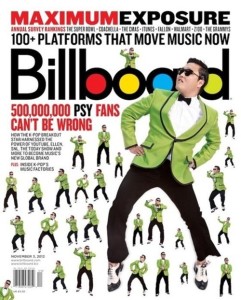
However, despite the global popularity of acts like Psy, who broke records on the Billboard charts in 2012 and 2013, many critics remain skeptical about the long-term "mainstream" status of K-pop in the West. The consensus among several Seoulbeats contributors is that while the Hallyu Wave has successfully carved out a significant niche, it still faces barriers of language and culture that prevent it from being fully integrated into the Western musical canon. This skepticism is rooted in a factual analysis of radio airplay and chart longevity, which, despite the passion of digital fandoms, often lags behind local Western acts.
Statistical Context: The K-pop Industry in the Early 2010s
To understand the environment in which these perspectives were formed, one must look at the data from the 2012–2014 period, often considered the "Golden Age" of the Hallyu Wave’s second and third generations.
- Market Growth: In 2012, the South Korean music industry’s exports reached approximately $235 million, an 80% increase from the previous year.
- The "Psy" Effect: "Gangnam Style" became the first YouTube video to reach one billion views, demonstrating the power of digital virality in a way no Western artist had achieved at the time.
- Digital Dominance: By 2013, South Korea had one of the highest smartphone penetration rates in the world, which facilitated the rapid spread of K-pop content via social media platforms like Tumblr and Twitter, the primary hubs for the writers mentioned in the source article.
These statistics provide the backbone for why critical commentary became so essential. As the stakes grew higher, the need for an objective press that wasn’t beholden to the "Big Three" agencies (SM, YG, and JYP) became paramount for the international audience.

The Shift from Solo Consumption to Community Engagement
For many fans, K-pop was initially a solitary experience. Gabrielle and Mark noted that before joining a commentary platform, they were "K-pop loners" with no local friends to share their interests. This reflects a common experience for international fans in the early 2010s, where K-pop was still viewed as a "weird" or "fringe" hobby in many Western countries.
The creation of digital spaces for critical discussion changed this dynamic. By moving beyond simple "spazzing" (an informal term for hyper-enthusiastic fan reaction) and into the realm of structured reviews and cultural exposés, sites like Seoulbeats provided a sense of legitimacy to the hobby. This community aspect is vital; it transforms the fan experience from a passive consumption of media into an active participation in a global cultural dialogue. Even when readers disagree with a critic’s "jaded" or "skeptical" take, the resulting conversation fosters a deeper intellectual connection to the genre.
Conclusion: The Lasting Impact of Critical Fandom
The transition from a reader to a writer—and from a fan to a critic—represents a significant evolution in the Hallyu experience. The testimonies of the Seoulbeats team suggest that while the "magic" of K-pop may fade as one learns more about the industry’s inner workings, it is replaced by a more durable form of appreciation. This "critical consumption" allows fans to hold the industry accountable while still celebrating the creative achievements of the artists.

As the Hallyu Wave continues to evolve, the role of independent, analytical media will only become more crucial. By questioning the "Idol Code," analyzing the business of music, and providing a space for nuanced discussion, these platforms ensure that the global K-pop fandom remains a thinking, engaged community rather than a mere demographic for corporate exploitation. The "Seoulbeats Effect" is ultimately about empowerment—giving fans the tools to see past the polish and understand the complex, often contradictory world of K-entertainment.
Related News