Kep1er’s "Killa (Face the Other Me)" MV: A Potent Performance Hampered by Unexplored Narrative Depth
Article Editorial Team
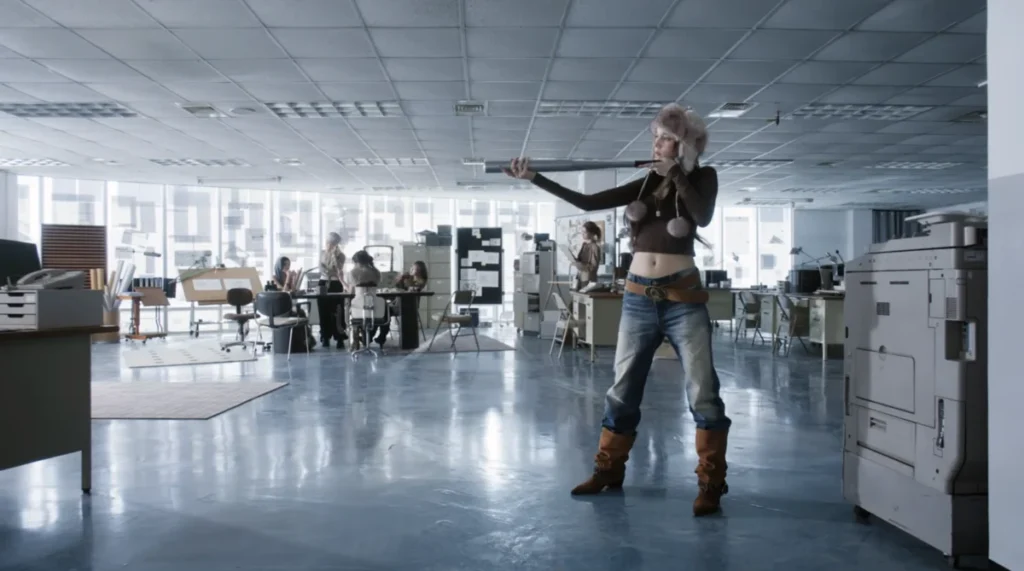
The highly anticipated music video for Kep1er’s latest track, "Killa (Face the Other Me)," has been released, showcasing the group’s undeniable prowess in performance. While the visual offering is replete with sharp choreography, dynamic formations, and a compelling dance break, it ultimately struggles to fully capitalize on its thematic potential, leaving viewers with a sense of a performance video rather than a fully realized narrative music video. The song’s title, "Killa (Face the Other Me)," hints at a deep exploration of duality and self-confrontation, yet these intricate concepts are only fleetingly touched upon, resulting in a visually impressive but narratively restrained experience.
Unpacking the "Other Me" Concept
The core thematic premise of "Killa (Face the Other Me)" centers on the idea of confronting an internal, hidden self – a concept directly reflected in the song’s lyrics. As articulated by a statement from their agency, WakeOne, the lyrics delve into "the existence of another self hidden in everyone’s heart, and about the moment of facing the hidden nature as one awakens internally, breaks the limits that had oppressed them, and awakens as a true killer." Kep1er’s ambition, as conveyed, is to "shed the long-oppressed self, break limits, and take precise aim at the anxious inner self through ‘KILLA’." This narrative arc suggests a journey of self-discovery and empowerment, a shedding of inhibitions to embrace a more potent, authentic identity.
Visually, the music video attempts to manifest this theme primarily through the recurring motif of mirrors. Opening and closing scenes featuring Dayeon gazing into a mirror, alongside sequences where Yujin, Xiaoting, and Chaehyun are situated in a mirror-laden environment, are intended to symbolize introspection and the search for one’s true essence. These moments, while visually striking, serve as mere glimpses into the broader concept, leaving the profound implications of "facing the other me" largely to the imagination.

Further symbolic elements are incorporated, albeit with similar restraint. Shadows are employed to create visual contrast and add a layer of depth to certain scenes, but their presence is transient, failing to establish a lasting impression. In a revealing reaction video shared by Kep1er, the group elaborated on the significance of the cube that appears throughout the music video. This geometric object is explained to represent anxiety, uncomfortable emotions, or aspects of the self that individuals grapple with. The narrative progression sees this cube progressively fracturing, a visual metaphor for confronting and breaking down these internal barriers. This is further underscored by the concluding scene, where Dayeon touches a cracked mirror, and the crack subsequently vanishes. This sequence vaguely suggests the group’s successful confrontation with their "other self," hinting at a resolution and integration of these internal conflicts.
However, the execution of these symbolic elements feels incomplete. The thematic threads, particularly the exploration of duality and self-confrontation, appear rushed rather than organically woven into the fabric of the music video. The narrative often feels as though it is on the cusp of delving deeper into these complex ideas, only to abruptly transition away, leaving the conceptual framework feeling underdeveloped and akin to an afterthought.
Performance Takes Center Stage
In contrast to its underdeveloped narrative, "Killa (Face the Other Me)" shines brightly in its execution of performance. This has long been identified as Kep1er’s strongest suit, and the music video leans heavily into this inherent strength. The choreography is precise and captivating, characterized by sharp movements and sophisticated formations that highlight the members’ synchronicity and individual talents. The strategic inclusion of a dedicated dance break towards the end of the video amplifies the overall impact, serving as a powerful showcase of their synchronized skills and energetic stage presence.
Key performance moments that define the visual narrative include a brief yet impactful dance duet between Yujin and Xiaoting, demonstrating their individual charisma and chemistry. Hikaru’s commanding presence in the chorus, taking center stage and radiating confidence, further anchors the song’s powerful energy. These meticulously crafted performance sequences, coupled with visually interesting transitions between scenes, become the primary drivers of the music video’s appeal. The dynamic interplay of the members during these segments is undeniable, making these the moments that truly resonate and leave a lasting impression.

Sonic Landscape and Market Positioning
Sonically, "Killa" offers a compelling sound that aligns with contemporary K-pop trends. The track has been described by some observers as having an "Aespa coded" feel, suggesting a resonance with the current musical landscape and the popular "girl crush" concept. This positioning within the current K-pop zeitgeist allows Kep1er to tap into a familiar sonic palette that appeals to a broad audience.
However, despite its adherence to popular trends, "Killa" faces the challenge of standing out in an increasingly saturated music market. The music video’s struggle to fully develop its conceptual depth means that the song, while not sonically weak, may lack the distinctive edge required to carve out a unique identity. The "bold and intense concept" promised by the song’s title and thematic underpinnings is present in its ambition but ultimately remains largely unexplored, leading to a "surface-level experience." The polish of the performance is evident, but the depth that could have elevated it beyond a well-executed track is conspicuously absent.
Implications and Future Trajectory
The "Killa (Face the Other Me)" music video presents a pivotal moment for Kep1er, highlighting both their strengths and areas for potential growth. The group’s undeniable performance capabilities are on full display, reinforcing their status as a formidable performance-oriented group. The success of these energetic and synchronized dance sequences suggests that future releases could continue to leverage this strength effectively.
However, the missed opportunity to fully explore the rich thematic potential of "Face the Other Me" raises questions about narrative development in their future music video concepts. The concept of confronting one’s "other self" held significant promise for adding layers of meaning and depth, potentially resonating with audiences on a more profound level. The ability to flesh out such intricate ideas through compelling storytelling, visual metaphors, and nuanced choreography would undoubtedly contribute to Kep1er’s artistic growth and market differentiation.

In the broader context of the K-pop industry, where conceptual depth and narrative coherence are increasingly valued, "Killa" serves as a case study. While a strong performance can carry a song, the integration of a well-developed concept can elevate it from a memorable track to a culturally impactful one. The challenge for Kep1er moving forward will be to balance their impressive performance skills with equally robust conceptual execution, ensuring that their future endeavors not only captivate with their stage presence but also resonate with audiences through meaningful and fully realized narratives. This strategic approach could be crucial in helping Kep1er solidify their unique artistic identity and achieve greater distinction within the competitive global music scene. The potential for deeper thematic exploration remains, and its successful implementation could mark a significant turning point in the group’s artistic evolution.
Related News