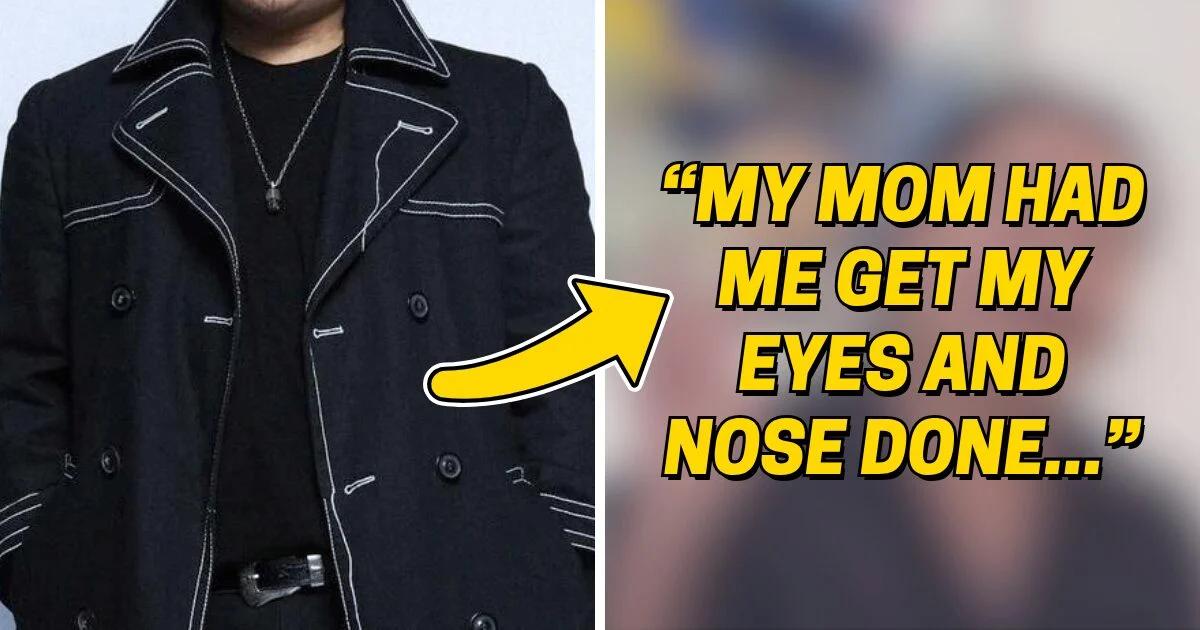
Recently debuted singer ZO ZAZZ has candidly revealed an extensive history of cosmetic procedures, commencing during his high school years, a journey notably initiated and facilitated by his own mother. The revelation, made during an appearance on MBN’s Jun Hyun Moo’s Plan, has ignited widespread discussion regarding South Korea’s pervasive beauty standards, parental involvement in cosmetic surgery for minors, and the demanding visual prerequisites of the entertainment industry.
The Candid Confession on MBN’s Jun Hyun Moo’s Plan
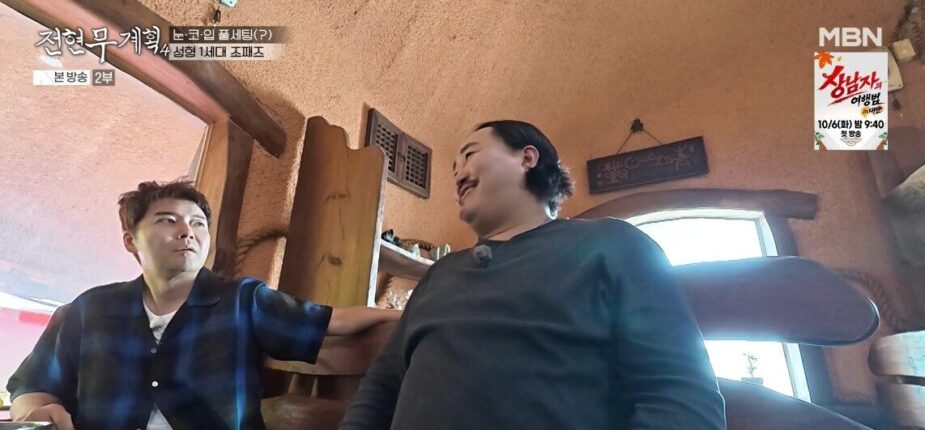
ZO ZAZZ, who made his debut in 2025 at the age of 40, recently sat down with host Jun Hyun Moo, who posed a direct question about his history with cosmetic surgery. Far from evading the inquiry, ZO ZAZZ embraced transparency, stating, "I had it done when there were barely any plastic surgery clinics around." This statement positions him as a pioneer, or at least an early adopter, in a country that would later become the global capital of cosmetic procedures. He went on to detail the scope of his enhancements, confirming that he has undergone multiple surgeries on virtually every part of his face.
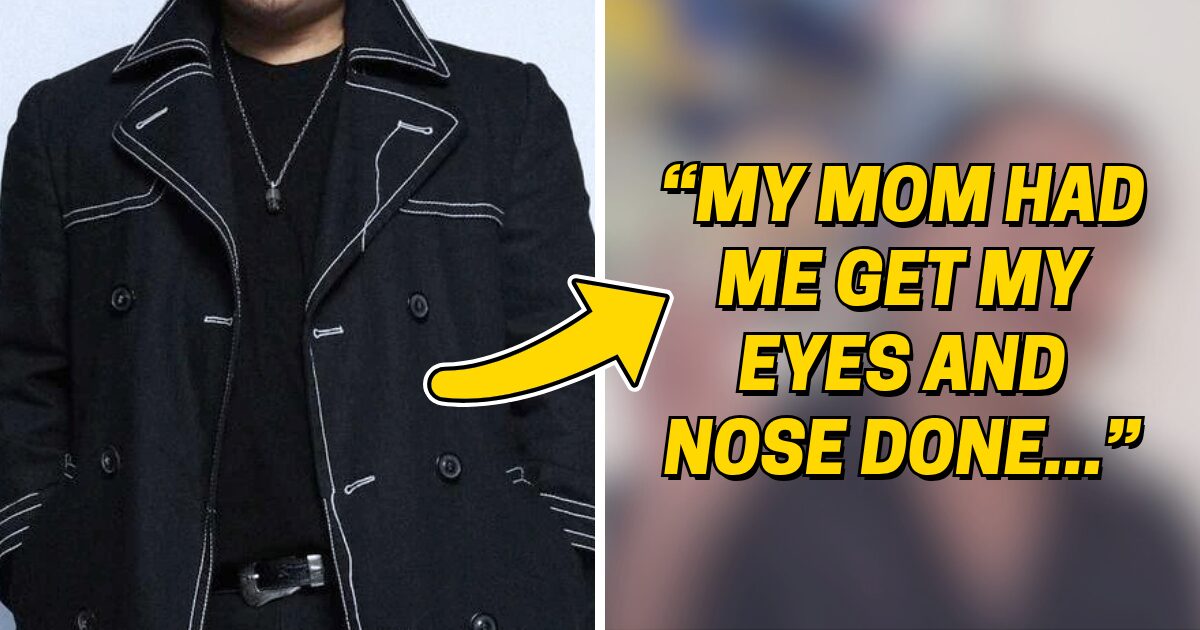
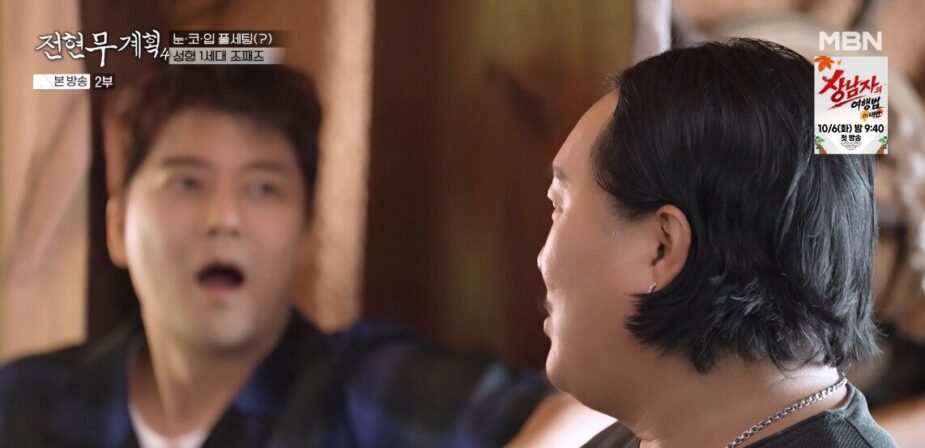
"Eyes, nose, mouth, all of it. I had my eyes and nose done in high school," ZO ZAZZ disclosed, pinpointing the surprisingly early age at which his transformation began. This admission is particularly striking, as discussions around cosmetic surgery, especially for minors, often carry a degree of social stigma, even in a society where such procedures are increasingly normalized. His openness marks a notable shift from past industry practices where celebrities often denied or obscured their surgical histories.
A Mother’s Vision: Unpacking the Parental Role
The most poignant and, for many, controversial aspect of ZO ZAZZ’s revelation stems from his mother’s direct involvement. He previously shared on Radio Star that his mother was the driving force behind his initial procedures. "[She] personally had me get my eyes and nose done," he explained. He elaborated on her reasoning, offering a glimpse into the societal pressures that often influence such decisions: "Mothers don’t usually tell their own children that they’re ugly, but my mother saw my future."
This statement underscores a complex phenomenon in South Korea, where parents sometimes encourage or even fund cosmetic surgery for their children, particularly teenagers, believing it will provide a competitive edge in various facets of life, from academics and employment to marriage prospects and, crucially, entry into the fiercely competitive entertainment industry. ZO ZAZZ’s mother, in this context, appears to have viewed these procedures not as a superficial vanity project but as a strategic investment in her son’s future success and well-being, even if it meant confronting a difficult truth about his appearance.

Chronology of a Transformation and Delayed Debut
ZO ZAZZ’s cosmetic journey began remarkably early, with initial eye and nose surgeries performed while he was still attending high school. This places his first procedures in the late 1990s or early 2000s, a period when the plastic surgery industry in South Korea was still burgeoning compared to its current omnipresence. These early interventions suggest a long-held ambition or recognition of the importance of visual appeal, particularly in the cultural context of South Korea.
Despite these extensive modifications undertaken at a young age, ZO ZAZZ did not immediately break into the entertainment scene. His debut as a singer only came in 2025, when he was 40 years old. This significant gap of over two decades between his initial surgeries and his eventual debut highlights the multifaceted challenges of entering and succeeding in the K-Pop and broader Korean entertainment industry. His reflection on this period is telling: "If I had looked good back then, things probably would have worked out for me." This statement suggests a belief that while cosmetic enhancement was a necessary step, it alone was insufficient to guarantee immediate success, indicating the critical interplay of talent, timing, connections, and perhaps an evolving definition of "good looks" over the years.
The Financial Investment in Appearance
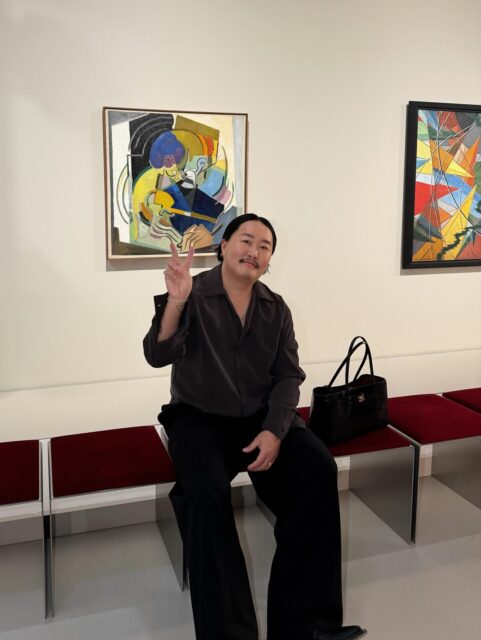
ZO ZAZZ also shed light on the financial commitment involved in his early transformations. He estimated that the money spent on his past surgeries, adjusted to today’s prices, would amount to approximately ₩20.0 million KRW (about $14,600 USD). This figure, while substantial, provides a tangible measure of the investment made in his appearance, driven by the belief in its potential returns.
To put this into context, ₩20.0 million KRW is a significant sum, especially when considering that these procedures were undertaken decades ago when prices might have been different relative to average incomes. Today, common procedures like double eyelid surgery can range from ₩1.0 million to ₩3.0 million KRW, and rhinoplasty from ₩2.0 million to ₩5.0 million KRW or more, depending on complexity and clinic reputation. Multiple procedures across the face would easily accumulate to ZO ZAZZ’s stated estimate. This financial outlay underscores the perceived value of physical attractiveness in South Korean society, where families often pool resources or take out loans to fund these procedures for their children, viewing it as an investment in their social and economic capital.
South Korea’s Cosmetic Surgery Landscape: A National Phenomenon
ZO ZAZZ’s story is a microcosm of a much larger societal trend in South Korea, which has earned the reputation as the world’s cosmetic surgery capital. Statistics consistently show South Korea having the highest per capita rate of cosmetic procedures globally. This phenomenon is deeply entrenched in the nation’s cultural fabric, driven by a confluence of factors:
- Intense Beauty Standards: Korean society places a strong emphasis on physical appearance, often adhering to specific aesthetic ideals that include V-shaped jawlines, large eyes with double eyelids, high-bridged noses, and fair skin. These standards are relentlessly promoted through media, advertising, and the omnipresent K-Pop and K-Drama industries.
- Media Influence: The Hallyu wave (Korean Wave) has globalized K-Pop and K-Dramas, further solidifying certain beauty ideals. Idols and actors, often perceived as having undergone enhancements, become aspirational figures, encouraging fans and aspiring entertainers alike to pursue similar transformations.
- Societal Pressure and "Lookism": The concept of "lookism" (외모지상주의, oemo-jisang-juui) is prevalent, where physical attractiveness is seen as a significant advantage in education, employment, dating, and social mobility. This intense competition begins early, with many students feeling pressure to look their best for school photos, university entrance interviews, and job applications.
- Accessibility and Normalization: Plastic surgery clinics are abundant and highly visible throughout major cities, particularly in areas like Gangnam in Seoul. The procedures are openly discussed, and undergoing surgery has become increasingly normalized, shedding much of its former taboo status. Many high school graduates receive cosmetic surgery as a gift, often before starting university or entering the workforce.
Teenage Procedures and Parental Consent: An Ethical Conundrum
The fact that ZO ZAZZ underwent surgery in high school, with his mother’s arrangement, highlights a critical ethical and social debate within South Korea. While parental consent is legally required for minors to undergo elective medical procedures, the line between supportive parenting and undue pressure can be blurred when it comes to cosmetic surgery.
Psychologists and ethicists often raise concerns about teenagers undergoing permanent physical alterations. Adolescence is a period of significant physical and psychological development, during which individuals are still forming their self-identity and body image. Critics argue that encouraging or facilitating surgery at such a young age might:
- Exacerbate Body Image Issues: Instead of fostering self-acceptance, it could reinforce the idea that one’s natural appearance is inherently flawed and needs "fixing."
- Impact Psychological Development: It might hinder the development of healthy coping mechanisms for dealing with perceived imperfections or societal judgments.
- Raise Consent Questions: While legal consent is obtained, the degree to which a minor can truly give informed consent for irreversible procedures, especially under parental influence, is debatable.
- Set a Precedent: It could set a precedent for continuous aesthetic interventions throughout life, driven by external validation rather than internal satisfaction.
However, proponents, including many parents in South Korea, argue that providing their children with the opportunity for aesthetic improvement is a practical way to equip them for a competitive world, enhancing their confidence and future prospects. ZO ZAZZ’s mother’s statement, "she saw my future," encapsulates this perspective, viewing the procedures as a proactive measure rather than a reactive one.
The Entertainment Industry’s Unspoken Rules
The Korean entertainment industry, particularly K-Pop, is notorious for its rigorous beauty standards and the emphasis on visual appeal alongside talent. It is an open secret that many trainees and idols undergo various cosmetic enhancements, sometimes before or during their debut. ZO ZAZZ’s experience, though from an earlier generation, predates and perhaps foreshadows this trend.
For aspiring entertainers, an appealing visual image is often considered a non-negotiable prerequisite. Agencies frequently include clauses in trainee contracts that allow for or even require cosmetic procedures. While some procedures are minor, others can be extensive, designed to fit a specific "ideal" look. The industry’s intense focus on visuals can create immense pressure on young individuals to conform, sometimes leading to multiple surgeries, extreme diets, and other strenuous efforts to achieve an idealized aesthetic.
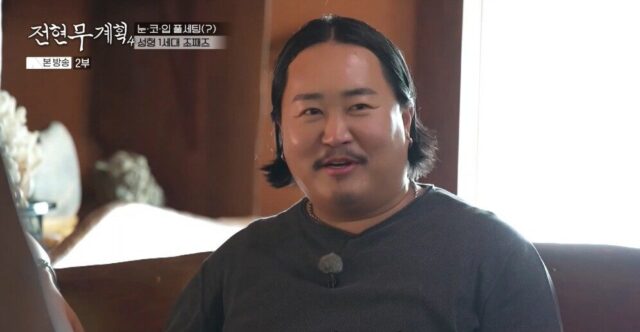
ZO ZAZZ’s lament, "If I had looked good back then, things probably would have worked out for me," reflects this harsh reality. It suggests that despite his early surgeries, his appearance might not have met the industry’s evolving benchmarks at the time, or perhaps that his talent alone was not enough to overcome perceived visual deficiencies. His debut at age 40, after a long hiatus from aspiring to be an entertainer, also speaks to the industry’s changing dynamics and perhaps a more accepting attitude towards age, or his unique story resonating with a different audience.
Broader Impact and Implications
ZO ZAZZ’s candid admissions contribute significantly to the ongoing discourse surrounding cosmetic surgery in South Korea and the entertainment industry globally. His story highlights several critical implications:
- Transparency in Entertainment: His openness is part of a growing trend among celebrities to be more honest about cosmetic enhancements, slowly chipping away at the stigma and secrecy that once surrounded the topic. This transparency can foster a more realistic understanding of beauty standards, though it also risks normalizing procedures for younger audiences.
- Rethinking Parental Roles: The story prompts a re-evaluation of parental involvement in children’s cosmetic choices, sparking conversations about support versus pressure, and the long-term psychological effects on developing individuals.
- The Persistent Power of "Lookism": Despite decades passing since ZO ZAZZ’s initial surgeries, the underlying societal emphasis on appearance remains a powerful force in South Korea. His experience serves as a historical marker for how deeply ingrained "lookism" has been and continues to be.
- Redefining Success in Entertainment: ZO ZAZZ’s delayed debut at 40, despite early cosmetic interventions, underscores that while visuals are crucial, sustained success in entertainment requires a complex blend of talent, resilience, timing, and perhaps a unique personal narrative that resonates with the public. His journey suggests that "good looks" are merely one component, not a guaranteed ticket to stardom.
In conclusion, ZO ZAZZ’s journey, from a high school student undergoing extensive plastic surgery at his mother’s behest to a rookie singer debuting at 40, offers a compelling and nuanced look into South Korea’s complex relationship with beauty, parental influence, and the entertainment industry. His frankness not only adds a personal dimension to broader societal trends but also encourages a deeper conversation about the pressures individuals face to conform to exacting aesthetic ideals, and the often-long and winding road to achieving one’s dreams.