The Evolution and Economic Dominance of South Korean Chaebols: From Post-War Reconstruction to Modern Drama Icons
Article Editorial Team

The term "chaebol" is a cornerstone of South Korean identity, representing a unique intersection of economic titanism, political history, and pop-culture fascination. To the international audience, the word is often introduced through the medium of Korean television dramas, where the "chaebol heir" is a ubiquitous character archetype: a wealthy, often arrogant young man who navigates boardroom politics while seeking love across class divides. However, behind the polished veneer of television romances lies a complex socio-economic structure that has defined South Korea’s trajectory from a war-torn nation to a global industrial powerhouse. Understanding the chaebol—literally translated as "wealth clan"—requires a deep dive into the history of the "Miracle on the Han River" and an analysis of the immense influence these family-run conglomerates exert over the nation’s domestic and foreign policy.
Defining the Chaebol: A Unique Corporate Structure
A chaebol is not merely a large corporation; it is a massive, family-controlled conglomerate characterized by diversified business holdings and a centralized management structure. Unlike Western conglomerates that often focus on a core competency, South Korean chaebols are famously expansive. A single entity like Samsung or Hyundai may operate in sectors as varied as consumer electronics, heavy shipbuilding, life insurance, construction, and hospitality.
The internal structure of a chaebol typically involves a complex web of cross-shareholdings. While the founding family may only own a small percentage of the total shares across the group, their control is maintained through a "circular shareholding" system, where Company A owns shares in Company B, which owns shares in Company C, which in turn owns shares in Company A. This allows the patriarch (the "Chairman") and his heirs to exercise absolute authority over the entire network of subsidiaries.
The Historical Genesis: The Park Chung-hee Era
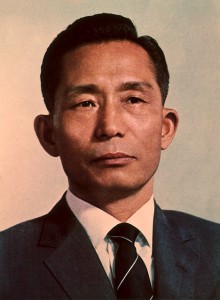
The rise of the chaebol is inextricably linked to the military administration of President Park Chung-hee, who seized power in a 1961 coup. Following the 1953 armistice of the Korean War, South Korea was one of the poorest countries in the world, with a GDP per capita lower than that of many sub-Saharan African nations. Park recognized that for the country to survive and modernize, it needed a radical economic overhaul.
In the 1960s and 1970s, the South Korean government initiated a series of Five-Year Economic Development Plans. Rather than relying on a free-market approach, the state hand-picked certain entrepreneurs and provided them with massive incentives, including low-interest loans from state-controlled banks, subsidized energy, and protection from foreign competition. In exchange, these companies were required to meet strict export quotas. This symbiotic relationship between the "Blue House" (the presidential residence) and business leaders birthed the modern chaebol.
The strategy focused on "export-oriented industrialization." Companies like Hyundai, founded by Chung Ju-yung, and Samsung, founded by Lee Byung-chul, transitioned from trading and light textiles into heavy industries such as steel, chemicals, and shipbuilding. This period, known as the "Miracle on the Han River," saw South Korea achieve double-digit annual growth rates, transforming the nation into an industrial leader in just a few decades.
A Chronology of Growth and Crisis
The history of the chaebol can be categorized into four distinct eras:
- The Formative Years (1960s–1970s): The state-led growth phase where the government directed credit to favored firms to build heavy industry.
- Global Expansion (1980s–1990s): Chaebols began to dominate international markets. Samsung moved into semiconductors, and Hyundai began exporting automobiles to the United States. During this time, they became "too big to fail."
- The 1997 Asian Financial Crisis: This was a turning point for the chaebol system. Excessive debt-fueled expansion led to the collapse of several giants, most notably the Daewoo Group, which was once the second-largest conglomerate in the country. The International Monetary Fund (IMF) mandated reforms, forcing chaebols to improve transparency and reduce debt-to-equity ratios.
- The Modern Era (2000s–Present): Today’s chaebols are leaner and more technologically advanced. They have moved into the digital age, with Samsung and LG leading in global electronics and SK Group dominating the telecommunications and battery sectors.
Supporting Data: The Scale of Economic Dominance
The sheer scale of chaebol influence on the South Korean economy is difficult to overstate. According to data from the Korea Fair Trade Commission and various economic research institutes, the "Big Five" chaebols—Samsung, Hyundai Motor Group, SK Group, LG Group, and Lotte—account for approximately 50% to 60% of South Korea’s total GDP in terms of revenue.
Samsung Electronics alone represents nearly 20% of the nation’s total exports. This concentration of wealth creates a "dual economy" where the success of the nation is often synonymous with the success of its largest firms. While this has provided South Korea with immense global leverage, it has also created a precarious dependence. If a major chaebol faces a downturn, the entire national economy feels the shockwaves.

The Political Nexus and the "Revolving Door"
The historical proximity between chaebols and the government has led to a recurring cycle of political scandals. Because the government holds the power to grant pardons, regulate industries, and award massive infrastructure contracts, chaebol leaders have often been accused of providing illicit funds to political campaigns or presidential confidants.
A notable example of this occurred during the administration of Lee Myung-bak, who was himself the former CEO of Hyundai Engineering and Construction. His presidency was often criticized for policies that favored large conglomerates over small and medium enterprises (SMEs). More recently, the 2016-2017 "Choi Soon-sil gate" scandal led to the impeachment of President Park Geun-hye and the imprisonment of Samsung’s top executive, Jay Y. Lee, on charges of bribery and embezzlement.
These incidents highlight the "revolving door" between corporate boardrooms and the halls of power. While the public often expresses outrage over these scandals, there is also a pragmatic resignation; many South Koreans believe that the chaebols are the only entities capable of maintaining the country’s competitive edge against giants like China and Japan.
The Cultural Paradox: K-Dramas vs. Reality
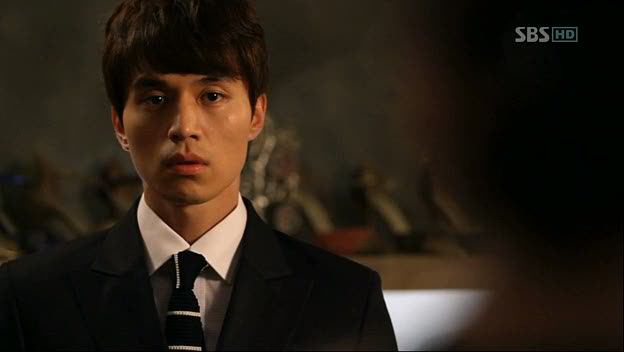
The depiction of chaebols in K-dramas serves as a fascinating cultural mirror. Shows like Secret Garden, The Heirs, and What’s Wrong with Secretary Kim romanticize the lifestyle of the "chaebol son." These characters are typically depicted living in sprawling estates, driving luxury cars, and possessing a level of influence that borders on the supernatural.
However, the reality for the average South Korean citizen is far more grounded. The "Chaebol Dream" has created a hyper-competitive society. To secure a stable, high-paying job at a conglomerate like Samsung, students must undergo grueling academic preparation for the Suneung (national college entrance exam). The social prestige associated with working for a chaebol is so high that it often stifles the growth of the startup ecosystem, as the brightest minds are funneled into established corporate hierarchies rather than entrepreneurial ventures.

Furthermore, the "smug heir" trope in dramas often glosses over the "gapjil" (power abuse) scandals that frequently make headlines in South Korea. The 2014 "Nut Rage" incident involving a Korean Air executive (a daughter of the Hanjin Group chairman) became a global symbol of the perceived entitlement and arrogance of the chaebol elite.
Broader Impact and Future Implications
As South Korea looks toward the future, the role of the chaebol remains the country’s most divisive issue. Critics, such as Pusan University Professor Robert Kelly, have argued that the chaebols act as oligopolists that punish consumers and stifle smaller competitors. The concentration of economic power in the hands of a few families is often cited as a reason for the "Korea Discount," a phenomenon where South Korean stocks are undervalued by global investors due to concerns over corporate governance and lack of transparency.
There is a growing movement within the country for "economic democratization." This involves reforming the circular shareholding system, strengthening the rights of minority shareholders, and providing more support for SMEs to foster innovation. President Moon Jae-in’s administration (2017–2022) made chaebol reform a central pillar of its platform, though progress has been slow due to the conglomerates’ essential role in the national economy.
The challenges are compounded by the issue of succession. As the second and third generations of founding families take the reins, they face massive inheritance taxes—often exceeding 50%—which can threaten their control over the companies. These transitions are often fraught with legal battles and internal family feuds, as seen in the recent history of the Lotte and Hanjin groups.
Conclusion
The story of the chaebol is the story of South Korea’s modernization. These entities were the engines of a national transformation that is unparalleled in modern history. They provided the infrastructure, the technology, and the global brand recognition that allowed a small peninsula to punch far above its weight on the world stage.
However, the "Chaebol Model" that worked so effectively in the 20th century is facing an identity crisis in the 21st. As South Korea grapples with an aging population, a slowing birth rate, and the need for a more diverse and creative economy, the dominance of the wealth clans is being questioned. Whether the chaebols can evolve from family-controlled dynasties into modern, transparent global corporations will determine not only their own survival but the future stability of the South Korean nation. For the viewer of K-dramas, the "chaebol son" remains a figure of fantasy; for the South Korean citizen, the chaebol is a permanent, complex, and indispensable reality.
Related News