The Evolution of K-pop Fan Culture and the Growing Need for Institutional Boundaries
Article Editorial Team
The global phenomenon of K-pop is built upon a foundation of unprecedented fan engagement, where the relationship between the artist and the audience transcends traditional boundaries of entertainment. On one hand, this devotion manifests in extraordinary acts of philanthropy, such as the organization of massive fan projects, the donation of thousands of dollars to charities in an idol’s name, and the tradition of donating "rice wreaths" to support events. On the other hand, the intensity of this connection has birthed a darker, more intrusive side of fandom—one characterized by cyber-harassment, physical endangerment, and a sense of entitlement that treats human beings as corporate commodities. As the industry continues to expand, the incidents involving prominent figures such as f(x)’s Krystal, SHINee’s Jonghyun, and members of Super Junior highlight a critical need for entertainment agencies and the fans themselves to establish healthier boundaries.
Digital Harassment and the Vulnerability of Social Media
In the modern K-pop landscape, social media serves as a double-edged sword. While it allows for direct communication between idols and their supporters, it also leaves artists vulnerable to coordinated attacks. A prominent example occurred when Krystal Jung, a member of the girl group f(x), was forced to deactivate her Instagram account, @kjungxox. The catalyst for this decision was not a scandal of her own making, but rather the digital footprints of another idol. After G-Dragon of BIGBANG "liked" several of her photos, a segment of his fanbase initiated a campaign of harassment against her, fueled by unsubstantiated dating rumors.
The harassment escalated beyond derogatory comments to include multiple attempts to hack her private account. This incident underscored a recurring theme in K-pop culture: the "shipping" or dating of idols is often viewed by certain fan factions not as a personal matter, but as a violation of a perceived social contract. The anonymity of the internet allows these "netizens" to exert psychological pressure on artists, often resulting in the artist retreating from public digital spaces to protect their mental well-being.
The "Only 13" Movement and the Policing of Group Identities
The influence of fans extends beyond the personal lives of idols into the very structure of the musical groups themselves. The case of Super Junior serves as a primary case study in how fan entitlement can dictate corporate policy. For years, a vocal minority of the fanbase, operating under the slogan "Only 13," has campaigned against the inclusion of Henry Lau and Zhou Mi as official members of the main Super Junior lineup. Despite their talent and contributions to the sub-unit Super Junior-M, these artists have been relegated to "guest" status in the eyes of traditionalist fans.
In July 2013, the tension reached a breaking point, prompting Super Junior’s Eunhyuk to issue a formal statement. He clarified that Zhou Mi and Henry were not official members of the primary group, a move widely seen as an attempt to appease the "Only 13" supporters. This demand for "clearly defined boundaries" between original members and newer additions highlights a possessive mindset. Fans who have invested years of emotional and financial support into a specific lineup often view the introduction of new members as a dilution of the "brand" they helped build, effectively forcing management companies to prioritize fan sentiment over artistic expansion or the professional integration of their own trainees.
The Apology Culture and the Illusion of Perfection
Perhaps the most jarring aspect of K-pop fandom is the expectation of perpetual availability and "purity." This was illustrated when SHINee’s Jonghyun was spotted at a movie theater with a female acquaintance. Despite the lack of any evidence suggesting a scandalous relationship, the mere sight of an idol in a private social setting with the opposite sex was enough to spark a wave of online scrutiny.
In response, Jonghyun issued a public apology via Twitter, stating: "Even though it’s not something I should be sorry about, I’m sorry." This statement captures the paradox of the K-pop industry. Idols are frequently forced to apologize for exercising basic human rights—such as dating, socializing, or having a private life—because their public image is marketed as that of a "virtual partner" to the fans. This "apology culture" reinforces the idea that the consumer owns the artist. When an idol’s actions deviate from the scripted perfection expected by the public, the resulting backlash is often treated by agencies as a PR crisis rather than an opportunity to defend the artist’s autonomy.

Physical Safety and the Chaos of Public Appearances
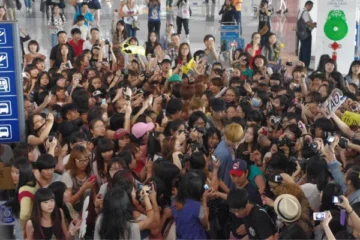
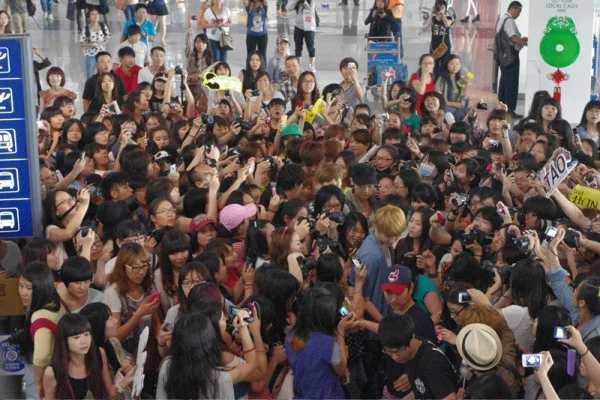
The dangers of unchecked fan fervor are most visible at international airports and music show venues. The phenomenon of "airport crowds" has become a significant safety hazard in South Korea and abroad. When groups like EXO or SHINee travel, they are frequently swarmed by hundreds of fans who push, shove, and trample one another to get a closer look or a photograph. These "stampedes" have resulted in minor injuries to both the artists and the fans themselves.
In many instances, entertainment agencies have been criticized for failing to provide adequate security personnel, particularly for high-profile groups under major labels like SM Entertainment. The lack of physical barriers and the tendency of fans to shove cameras into the faces of idols create an environment of constant physical and psychological stress. Furthermore, reports of fans making inappropriate physical contact or "sexually assaulting" idols in the chaos of a crowd are not uncommon. The silence from corporate entities regarding these incidents suggests a reluctance to reprimand the very people who drive their revenue, even when the safety of their employees is at risk.
The Economic Drivers of Fan Entitlement
To understand why these behaviors persist, one must look at the economic structure of the K-pop industry. The "customer is always right" philosophy is applied with extreme rigor in South Korea’s entertainment sector. Fans are not merely listeners; they are high-stakes investors. They buy albums in bulk to influence chart rankings, purchase expensive "fanchant" slots, and fund elaborate advertisements on subways and billboards.
Because the industry relies so heavily on this high-engagement model, companies often feel beholden to the whims of the most vocal fans. This creates a power imbalance where the "netizen" or the "sasaeng" (obsessive fan) feels they have a legitimate claim to control the idol’s behavior. The "idol" is treated as a character in a story that the fans are co-writing. When the character breaks script—by dating, by speaking out, or by changing their image—the "investors" feel a sense of betrayal, leading to the toxic cycles of harassment seen in the cases of Krystal and Jonghyun.

The Role of "Netizens" and the Impact of Online Commentary
South Korean online communities, often referred to as "netizen" hubs, play a pivotal role in shaping an idol’s career. A single post on a community site can trigger a massive shift in public perception. The hypocrisy of this system is evident: fans often claim to protect their idols from "malicious netizens," yet they frequently employ the same tactics of bullying and demand-making when the idol does something they dislike.
The repercussions of these two-second comments can be devastating. For an idol, a "bad reputation" on these platforms can lead to the loss of endorsement deals, television appearances, and, in extreme cases, the termination of their contract. The blind negativity and the pursuit of "upvotes" on hate comments have created a culture where empathy is secondary to engagement.
Analysis: The Path Toward Institutional Reform
The current trajectory of K-pop fandom suggests that a paradigm shift is necessary for the long-term sustainability of the industry. This reform must occur on three levels:
- Corporate Responsibility: Agencies must move away from the "mollification" strategy. Instead of forcing idols to apologize for non-scandals, companies should issue firm statements defending their artists’ right to a private life. Furthermore, investing in robust security protocols at public venues is a non-negotiable requirement for employee safety.
- Artist Assertiveness: While the risk to their careers is high, more artists are beginning to use social media to call out inappropriate behavior. By setting boundaries directly with their audience, idols can begin to dismantle the "virtual partner" illusion.
- Fan Self-Policing: The "good" side of fandom—the side that organizes charities and light-stick oceans—must become as vocal in condemning harassment as they are in supporting a comeback. Maturity within the fandom involves recognizing that an idol is a professional performer, not a personal possession.
Conclusion: A Call for Human-Centric Fandom
The K-pop industry has reached a global scale that requires a more sophisticated approach to fan management and artist protection. The incidents involving Krystal, Jonghyun, and the members of Super Junior are symptoms of a deeper systemic issue: the commodification of human emotion. While the passion of fans is the engine that drives the Hallyu wave, that engine must be tempered by respect and boundaries.

As the business of "perfection" continues to grow, the industry must reckon with the fact that its stars are human beings who will inevitably fall short of impossible standards. To allow toxic behavior to go unpunished is to poison the very community that makes K-pop special. The question remains: will the companies and the fans have the courage to step forward and demand a more humane environment, or will the "customer is always right" mentality continue to override the basic rights of the artists? The future of K-pop may well depend on the answer.
Related News