The Evolution of K-pop Journalism and the Critical Transformation of Global Fandom
Article Editorial Team

The global expansion of the Korean Wave, or Hallyu, has necessitated a parallel evolution in the media landscapes that document and analyze its progress. As the industry transitioned from a regional phenomenon to a multi-billion-dollar global export, the role of digital platforms shifted from mere news aggregation to sophisticated cultural critique. This transition is perhaps most evident in the internal discourse of dedicated K-pop editorial sites, where writers and readers alike grapple with the intersection of personal fandom and professional analysis. The movement toward a "critical fandom" represents a significant shift in how international audiences consume South Korean entertainment, moving away from the "stan" culture of the early 2010s toward a more nuanced, objective understanding of the industry’s socio-economic and creative frameworks.
The Emergence of Critical Discourse in the Hallyu Wave
In the early years of Hallyu’s international expansion, digital media coverage was largely characterized by two extremes: official press releases from "Big Three" agencies (SM Entertainment, YG Entertainment, and JYP Entertainment) and fan-driven blogs fueled by emotional investment. However, as the 2010s progressed, a middle ground emerged. Platforms such as Seoulbeats began to foster a community of "fan-critics"—individuals who maintained a deep interest in the genre but applied rigorous analytical standards to its output.

This shift is not merely academic; it reflects a broader change in the demographic of the K-pop consumer. As fans matured, their demands for content moved beyond simple updates on idol schedules to investigative pieces on the "dark side" of the industry, the mechanics of music production, and the cultural implications of the "Idol Code." This evolution is highlighted by the experiences of long-term contributors to the field, many of whom report that the process of critical writing has fundamentally altered their relationship with the music. For many, the transition from a passive consumer to an active critic resulted in a degree of emotional detachment, replacing "fervor" with a more logical and skeptical outlook on the industry’s polished facade.
The Fan-to-Critic Transition: A Case Study in Detachment
The psychological journey from being a dedicated member of a specific fandom to becoming a generalist critic is a recurring theme among those documenting the Hallyu Wave. According to internal reflections from various industry observers, the act of sifting through the immense volume of weekly K-pop releases—which can range from high-budget veteran comebacks to obscure "nugu" group debuts—inevitably leads to a higher standard of evaluation.
For many writers, joining a professional editorial team provides a social substitute for traditional fandom. Whereas fans often join online communities to find like-minded individuals to celebrate specific artists, critics find their community among those who value objective analysis. This shift often leads to a "niche" engagement where the writer is no longer immersed in the vitriol or "shipping" culture of social media but is instead focused on the technical merits of a performance or the business strategy of a comeback. This detachment is frequently cited as a defense mechanism against the aggressive nature of online "netizen" comments, which can be hostile toward any critique of popular idols.
Analyzing the Volume and Velocity of the K-pop Industry
One of the most significant realizations for those moving into the professional sphere of K-pop journalism is the sheer scale of the industry’s production. Unlike the Western music industry, which often follows multi-year album cycles, the South Korean idol system is built on a model of constant visibility. Supporting data from the Korea Creative Content Agency (KOCCA) indicates that the number of active idol groups has grown exponentially over the last decade, with dozens of new acts debuting annually.
For critics, this high volume of content serves as a double-edged sword. On one hand, it requires a vigilant and demanding schedule to stay abreast of news and releases. On the other hand, the constant exposure to mediocre or repetitive content makes the truly innovative releases stand out more clearly. The "Idol-making process," which involves rigorous training in dancing, singing, and media etiquette, has reached a level of standardized excellence where even "average" acts possess a high degree of technical proficiency. This makes the job of the critic more difficult, as they must look beyond surface-level polish to find genuine artistic merit or creative risk-taking.
The Business of Idoldom and the Myth of Transparency
As K-pop moved into the global spotlight, the business aspects of the industry became as much a topic of discussion as the music itself. The corporate layer of K-pop is notoriously opaque, characterized by "slave contracts," intense training regimens, and strict behavioral codes. Professional analysts have noted that understanding the business model is essential to understanding the music. The lack of transparency in how agencies operate often creates a "mystery" that fuels critical discourse.

Observers have increasingly focused on the "Idol Code"—the unwritten rules that govern how artists behave in public, their dating lives, and their interactions with fans. While some argue that Western standards of individualism should not be imposed on Korean culture, others believe that the global success of Hallyu necessitates a more universal approach to labor rights and personal freedom. This tension remains a focal point for editorial sites, which often serve as the primary venue for discussing these ethical dilemmas in English.
Fandom Dynamics and the Rise of Digital Community
The relationship between the critic and the "netizen" (internet citizen) is a defining feature of modern K-pop journalism. For many writers, the initial shock of encountering aggressive fan feedback is a rite of passage. However, this interaction also highlights the diversity of the global audience. While some fans remain fiercely protective of their favorite artists, a growing segment of the audience appreciates the opportunity to engage in critical thinking.
For individuals who previously experienced K-pop in isolation, joining a digital editorial community provides a platform for conversation that transcends simple "spazzing" (obsessive fan behavior). This intellectual engagement allows fans to articulate their feelings about culture and media in a structured environment, often mirroring the critical thinking skills required in academic settings. This has led to a more sophisticated global fandom that is capable of appreciating the nuances of music videos, choreography, and lyrical themes beyond the "visual" appeal of the idols.

Global Prospects and the Mainstream Skepticism
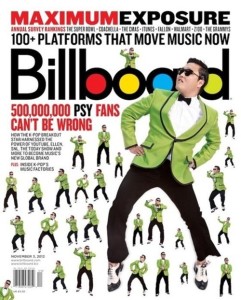
Despite the massive success of acts like Psy, and later groups like BTS and Blackpink, a persistent skepticism remains among veteran K-pop observers regarding the genre’s "mainstream" status in the Western world. While the Hallyu Wave has undoubtedly moved from a niche interest to a significant cultural force, many critics argue that it remains a "subculture" within the broader Western media landscape.
The skeptical view posits that while K-pop may continue to break records in terms of digital sales and social media engagement, the cultural and linguistic barriers—combined with a Western media bias—may prevent it from ever being viewed on equal footing with domestic pop music in the United States or Europe. However, others view this niche status as a strength, allowing for a more dedicated and engaged fan base that is willing to invest time and money into the genre in a way that casual mainstream listeners do not.
Implications for the Future of Hallyu
The evolution of sites like Seoulbeats and the rise of the "critical fan" suggest that the Hallyu Wave has entered a stage of maturity. The industry is no longer just a collection of catchy songs and synchronized dances; it is a complex cultural export that invites serious sociological and economic study. The transition from fervor to skepticism among long-term fans and writers is not a sign of declining interest, but rather a sign of deeper engagement.

As the industry continues to expand, the role of independent, critical media will become even more vital. These platforms provide a necessary check on the polished narratives produced by entertainment agencies, offering a space for fans to deconstruct the "polished sheen" of their idols and understand the machinery behind the music. Whether K-pop ever achieves total mainstream dominance or remains a powerful global niche, the critical discourse surrounding it ensures that the conversation will remain as dynamic and high-volume as the music itself. This analytical approach not only enriches the fan experience but also provides the industry with a mirror, reflecting both its creative triumphs and its systemic flaws.
Related News