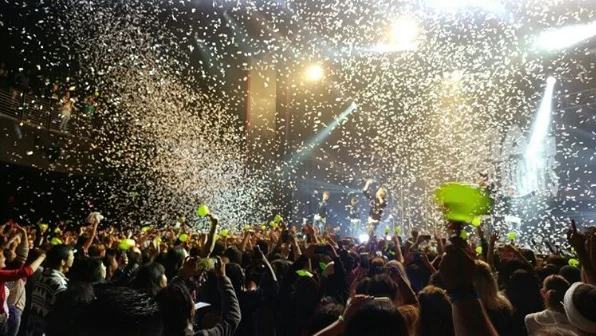
The landscape of 21st-century celebrity culture has been fundamentally reshaped by the rise of the digital fandom, a phenomenon that has evolved from simple admiration into a sophisticated, highly organized global movement. While major celebrities across various sectors—including music, gaming, and social media—have long commanded dedicated followings, the modern fandom has transcended traditional boundaries of geography, age, and race. These groups are no longer mere consumers of content; they are active participants in a collective identity, often unified by a specific "fandom name" and a singular, driving objective: the unwavering support of their chosen figurehead. This evolution is most prominently visible within the sphere of South Korean popular music, or K-pop, where the intersection of globalization and digital collectivism has created a force capable of influencing international politics, social justice movements, and global market trends.
The Sociological Framework of Fandom as a Social Movement
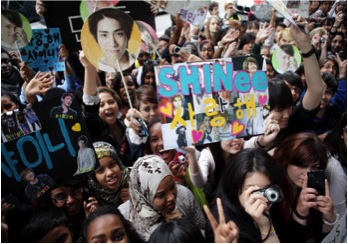
To understand the scale of modern K-pop fandom, it is essential to define it through the lens of sociology. A social movement is characterized as a form of collective action involving networks of interactions between groups and individuals who share a distinct collective identity and work toward a common goal. K-pop fandoms, such as BTS’s "ARMY," Stray Kids’ "STAY," or Blackpink’s "BLINK," function as textbook examples of this definition. These communities span diverse demographics, yet they operate with a level of coordination typically reserved for political organizations or non-governmental institutions.
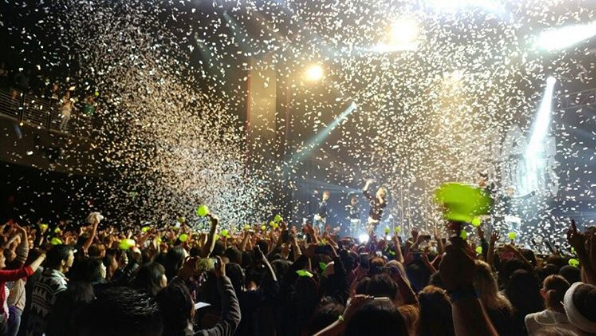
The efficacy of these fandoms is rooted in the concept of collectivism. In many Western cultures, individualism is the primary driver of social behavior. However, K-pop originates from a South Korean societal framework that emphasizes the well-being and reputation of the community over the individual. This cultural foundation—visible in everything from Korean corporate structures to family dynamics—has been exported alongside the music. When fans adopt this collectivist mindset, they synthesize millions of individual efforts into a singular, tangible result. Whether it is a coordinated campaign to trend a hashtag, a mass-voting effort for an international award show, or the organized purchasing of albums to boost chart rankings, the unity of the fandom is its most potent tool.
Globalization and the Rise of Hallyu
The expansion of K-pop into a global powerhouse is a primary result of "Hallyu," or the Korean Wave. This state-supported cultural export strategy has leveraged globalization to dissolve physical and cultural borders. In the modern era, globalization is defined by the profound economic, social, and political exchanges that allow ideas to gain traction far from their point of origin. South Korea’s success in this arena is unparalleled in the 21st century.
The evidence of this cultural shift is quantifiable. In March 2020, the Korean-language thriller Parasite made history by winning Best Picture at the Academy Awards. This was followed in 2021 by Youn Yuh-jung’s Best Supporting Actress win for Minari. Beyond cinema, Korean lifestyle trends, such as "K-beauty" and viral food trends like dalgona coffee, have permeated Western daily life. However, K-pop remains the vanguard of this movement. Groups like BTS and Blackpink do not merely sell records; they sell out global stadium tours and command the covers of prestigious Western publications like Vogue, Seventeen, and Refinery29.

Korean entertainment agencies have mastered the art of "shareability." By producing high-budget, visually arresting music videos and fostering a culture of "reaction videos," they have created a self-sustaining feedback loop. Platforms like "ReacttotheK," which analyzes the musicality of K-pop from a classical perspective, demonstrate how the genre reaches specialized demographics, such as music students and theorists, who might otherwise have remained outside the typical pop music audience.
The Summer of 2020: A Timeline of Digital Activism
The power of K-pop fandom as a social movement reached a fever pitch in the summer of 2020, as the world grappled with the COVID-19 pandemic and a resurgence of the Black Lives Matter (BLM) movement. This period provided a definitive timeline of how fandom could be mobilized for political and social ends:
- June 4, 2020: BTS and their management agency, Big Hit Entertainment (now HYBE), announced a $1 million donation to the Black Lives Matter movement, stating that they stand against racial discrimination.
- June 5, 2020: The BTS fan collective, specifically a group known as "One in an ARMY," launched the #MatchAMillion campaign. The goal was for the fandom to collectively match the $1 million donation made by the artists.
- June 7, 2020: Within just 24 hours of the campaign’s peak, organizers announced that over 35,000 individual donors had contributed, successfully matching and exceeding the $1 million goal.
Simultaneously, K-pop fans engaged in direct digital interference to support social justice causes. When the Dallas Police Department asked citizens to submit videos of "illegal activity" during protests via an app, K-pop fans flooded the app with "fancams" (short videos of idols performing), effectively crashing the system. They employed similar tactics on Twitter, hijacking hashtags like #WhiteLivesMatter and #BlueLivesMatter by flooding them with K-pop content, thereby drowning out racist rhetoric and making the hashtags useless for their original proponents.
Furthermore, K-pop fans were credited with disrupting a June 2020 campaign rally for then-President Donald Trump in Tulsa, Oklahoma. Reports indicated that fans coordinated via TikTok and Twitter to reserve thousands of free tickets with no intention of attending. While the Trump campaign denied the impact of this effort, the rally saw an unexpectedly low turnout, with approximately 6,200 attendees in a 19,000-seat arena.
The Dual Nature of Weaponized Fandom
While the events of 2020 highlighted the potential for fandoms to act as a force for positive social change, the same organizational structures can be used to silence dissent and obscure accountability. The primary goal of a fandom movement is the protection of the idol’s reputation, a goal that often supersedes the pursuit of objective truth or social justice.
One common practice is "clearing the searches." When an idol is involved in a controversy—ranging from dating news to serious allegations of bullying or cultural appropriation—fans will flood search engines and social media platforms with positive keywords and repetitive phrases. The intent is to manipulate algorithms so that anyone searching for the idol sees "Idol Name Best Boy" or "Idol Name Talented" rather than news of the scandal. While fans view this as a protective measure, critics argue it is a form of information suppression that prevents honest discourse.

The dark side of this collectivism is also felt internally. Black K-pop fans, in particular, have frequently reported experiences of "dogpiling" and harassment when they raise concerns about cultural appropriation or the use of racial slurs by idols. Despite the fandom’s outward support for movements like Black Lives Matter, internal critics who suggest their idols need education on racial issues are often met with vitriol. This creates a paradoxical environment where a movement that claims to be inclusive becomes a digital weapon against the very minorities it purports to support.
Case Study: The Hyunjin Bullying Allegations
A significant example of fandom’s defensive mobilization occurred in early 2021 during a wave of school bullying allegations involving several K-pop stars. Hyunjin, a member of the group Stray Kids, was among those accused. While the artist issued an apology and entered a period of hiatus, his fandom, STAY, mobilized to ensure his eventual return.
Through persistent hashtag campaigns and organized messaging to the group’s label, JYP Entertainment, the fandom leveraged its economic and social power. By demonstrating that their continued financial support was contingent on the idol’s retention, they forced the company to balance public relations concerns with the demands of a highly organized and vocal consumer base. This highlights a key aspect of fandom as a social movement: it functions as a pressure group that can influence corporate policy just as effectively as it influences social media trends.
Analysis of Implications: Activism vs. Advocacy
The rise of K-pop fandom as a global movement presents a complex challenge to traditional definitions of activism. While these groups can achieve staggering results in fundraising and digital disruption, their primary motivation remains the celebrity. This distinguishes fandom from traditional social movements, which are typically centered on policy change or systemic reform.
In the case of K-pop, the "movement" is centered on a person—an idol. When the interests of the idol align with a social cause (as with the BLM donation), the result is a powerful display of philanthropy. However, when the cause conflicts with the idol’s reputation, the fandom’s "activism" often reverts to defensive protectionism.
The long-term implications of this digital collectivism are significant. We are witnessing the birth of a new form of "cyber-sectarianism," where highly organized, borderless groups can exert influence over global discourse. For brands, political figures, and international organizations, the lesson is clear: the collective power of a unified fandom is a force that can no longer be ignored. However, for the fans themselves, the challenge remains to reconcile their devotion to an individual with the broader values of the social movements they occasionally champion. Ultimately, K-pop fandom demonstrates that while digital collectivism can move mountains, its direction is always determined by the North Star of the idol’s image, not necessarily the pursuit of justice.