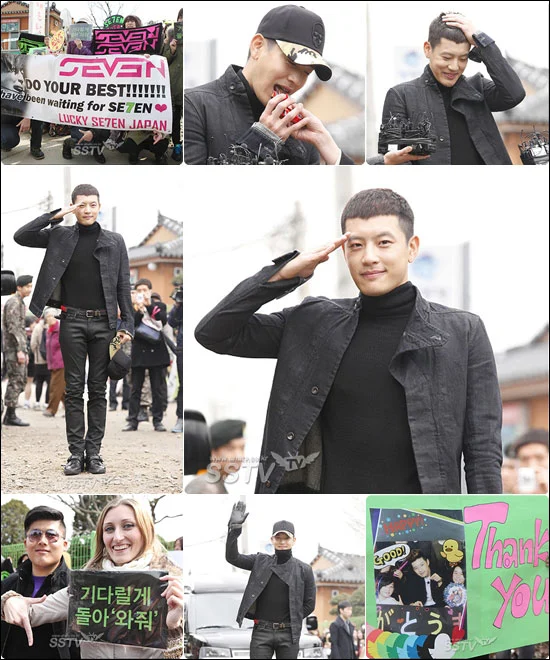
The mandatory military service requirement in South Korea remains one of the most significant and scrutinized social obligations for male citizens, serving as a cornerstone of national defense since the 1953 armistice. Under the Military Service Act, all able-bodied South Korean men are required to serve approximately 21 to 24 months in the armed forces, a necessity born from the ongoing technical state of war with North Korea. While the service is intended to be a universal "rite of passage" that levels social hierarchies, a series of high-profile scandals involving "celebrity recruits"—public relations soldiers serving under the Defense Media Agency—has ignited a national debate regarding fairness, discipline, and the potential abolition of preferential treatment for entertainers.
The Foundation of Mandatory Conscription
To understand the gravity of the recent scandals involving stars like Se7en and Sangchu, one must first consider the socio-political weight of military service in South Korean life. The 38th parallel remains one of the most heavily fortified borders in the world. Consequently, the South Korean public views military service not merely as a legal requirement, but as a fundamental test of a man’s loyalty to the state. Exemptions are exceedingly rare, typically reserved for those with severe physical disabilities, certain Olympic medalists, or high-level award winners in the arts.
For the average conscript, the experience is defined by hardship. Soldiers are often stationed in remote mountainous regions, subjected to grueling physical training, and isolated from modern comforts. Until very recently, access to mobile phones was strictly prohibited, and contact with the outside world was limited to supervised internet use and infrequent furloughs. This environment of shared sacrifice is meant to foster national unity; however, the emergence of the "celebrity recruit" system created a perceived class of "soldier-lite" that many citizens find increasingly intolerable.
Chronology of the 2013 Celebrity Recruit Scandal
The controversy reached a boiling point in mid-2013 following an investigative report by the SBS program On Site 21. The timeline of events reveals a pattern of systemic negligence within the Defense Media Agency’s promotional unit.
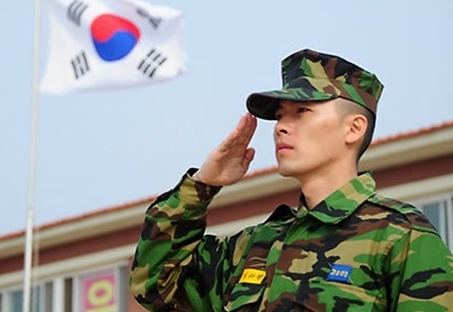
On June 25, 2013, a group of celebrity recruits, including the singer Se7en (Choi Dong-wook) and Sangchu (Lee Sang-chul) of the hip-hop duo Mighty Mouth, traveled to Chuncheon to perform at an event commemorating the 63rd anniversary of the Korean War. Following the performance, while regular soldiers returned to their barracks, the celebrity recruits were observed checking into a motel.
Late that evening, SBS cameras captured Se7en and Sangchu leaving the motel in civilian clothing, a direct violation of military protocol which requires soldiers to remain in uniform while on duty. The footage showed the two soldiers using personal cellphones and consuming alcohol at a local restaurant past the mandatory curfew. The situation escalated when, at approximately 3:30 AM, the two men were filmed entering a massage parlor known for providing adult services.
When the SBS investigative team confronted the soldiers as they exited the establishment, a physical altercation ensued. The recruits attempted to seize the reporters’ cameras and microphones, an act of aggression that was broadcast nationwide. This footage served as the catalyst for a Ministry of National Defense (MND) investigation and a massive public outcry.
Systemic Perks and the "Knee Therapy" Defense
In the immediate aftermath of the SBS report, the Ministry of National Defense and representatives for the artists attempted to mitigate the damage with explanations that the public largely deemed implausible. The MND initially claimed that the soldiers had visited the massage parlor for "medical purposes," specifically "knee therapy," despite the early morning hour and the reputation of the venue. This explanation was widely ridiculed online, drawing comparisons to previous celebrity excuses for misconduct.
The SBS investigation further exposed the luxurious conditions afforded to the PR unit. While regular conscripts slept in communal barracks and followed rigid schedules, celebrity recruits at the Defense Media Agency were found to possess:

- Personal lockers filled with civilian clothing.
- Unauthorized access to personal electronics, including smartphones and PlayStation gaming consoles.
- Frequent, unmonitored leave and overnight stays outside of military installations.
- Exemption from standard physical duties, such as border patrols and night watches.
Internal data suggested that celebrity recruits were granted nearly twice as many vacation days as the average soldier. In one notable instance, it was revealed that some celebrity soldiers had spent over 150 days of their two-year service on leave or "off-base assignments," a figure that stands in stark contrast to the standard 45 to 50 days allotted to regular infantrymen.
Preceding Scandals: The Case of Rain
The June 2013 incident was not an isolated event but rather the final straw in a series of violations. Earlier that year, the global Hallyu star Rain (Jung Ji-hoon) faced severe criticism after he was photographed meeting with his girlfriend, actress Kim Tae-hee, while on official duty. Rain was found to have worn his military cap improperly and engaged in private meetings during what was supposed to be a promotional mission.
Despite the public’s demand for a harsh penalty, the Ministry of National Defense sentenced Rain to only seven days of confinement within his barracks to "reflect" on his actions. This perceived "slap on the wrist" fueled the narrative that the military was unwilling to discipline its high-profile recruits, as they served as valuable marketing tools for the armed forces. Rain was ultimately discharged in July 2013 without further incident, but the resentment his case generated set the stage for the intense scrutiny Se7en and Sangchu would face.
Official Responses and Punishments
Following the June 2013 scandal, the Ministry of National Defense launched a comprehensive audit of the PR unit. On July 18, 2013, the Ministry announced its final decision: the total abolition of the celebrity recruit system.
The Ministry’s spokesperson stated that the "public relations unit had reached a point where its negative impact on the military’s morale and public image outweighed its benefits." The investigation concluded that the management of these soldiers was "fundamentally flawed," and the lack of oversight had allowed a culture of entitlement to fester.

As for the individuals involved:
- Se7en and Sangchu: Both were sentenced to 10 days in military jail (brig) for violating military discipline and leaving their designated area without permission.
- Other Recruits: Five other celebrity soldiers involved in the Chuncheon incident were sentenced to four days in the brig for unauthorized cellphone use.
- Reassignment: Following their punishment, all remaining celebrity recruits were reassigned to regular field units to serve out the remainder of their terms as standard infantry soldiers. Se7en was transferred to the 8th Infantry Division, while Sangchu was sent to the 15th Infantry Division.
Socio-Economic and Cultural Implications
The downfall of the celebrity recruit system has had lasting implications for the South Korean entertainment industry. For decades, the "celebrity unit" was seen as a way for stars to maintain their public profile while fulfilling their civic duty. The abolition of the unit meant that future stars—including members of global groups like BTS or top-tier actors—would have to serve in regular combat or support roles, often in complete anonymity.
The scandal also highlighted a deep-seated cultural anxiety regarding "fairness" (gongjeong) in South Korean society. In a country where competition for education and employment is fierce, the military is one of the few institutions where equality is expected. When celebrities were seen bypassing the hardships of service, it struck a nerve with the millions of families who have sons serving on the front lines.
From a public relations perspective, the scandal was a disaster for the Ministry of Defense. The PR unit was designed to improve the military’s image and encourage recruitment. Instead, it became a symbol of corruption and favoritism. The decision to dissolve the unit was a necessary move to restore public trust in the integrity of the conscription system.
Analysis of the Post-PR Unit Era
Since the 2013 abolition, the trend for celebrities has shifted toward "quiet service." High-profile stars now frequently enlist in the Marine Corps or active-duty infantry units to prove their toughness and commitment to the nation. Successfully completing service in a "hard" unit has become a way for celebrities to "reset" their public image or gain a new level of respect from the male demographic, which often forms the backbone of a star’s long-term career stability.

The Se7en and Sangchu scandal serves as a cautionary tale for the Hallyu industry. It demonstrated that in South Korea, no amount of international fame or economic contribution outweighs the social contract of military service. The "knee therapy" incident remains a cultural touchstone, cited whenever the topic of military exemptions or special treatment for entertainers arises in the National Assembly.
Ultimately, the Ministry of National Defense’s decision to prioritize institutional discipline over promotional benefits has leveled the playing field. While the PR unit is gone, the demand for "fairness" remains a powerful force in South Korean public life, ensuring that the conduct of soldiers—celebrity or otherwise—will remain under the watchful eye of a citizenry that values sacrifice above stardom.