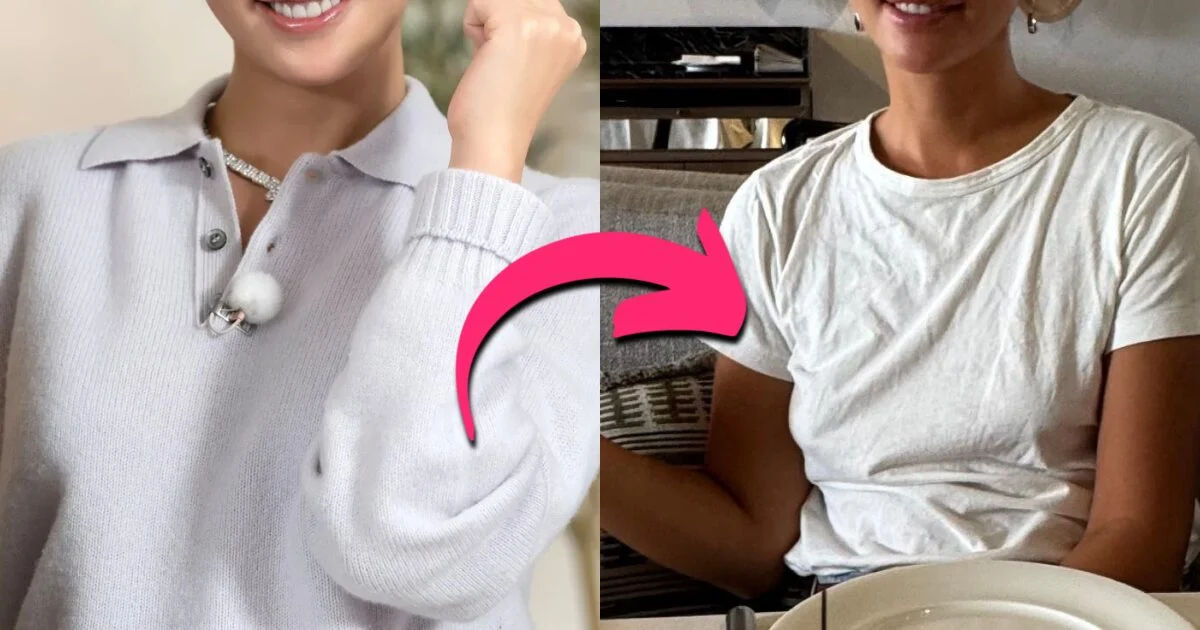
The South Korean entertainment landscape, known for its rigorous beauty standards, was recently set abuzz following actress Hwang Jung Eum’s latest social media update, which unveiled a significantly tanned complexion from her recent international vacation. The acclaimed actress, known for her vibrant roles and often porcelain-like skin, inadvertently ignited a fervent discussion across online platforms, with many netizens expressing shock and some even drawing controversial comparisons regarding her altered skin tone.
The Genesis of the Controversy: A Candid Vacation Post
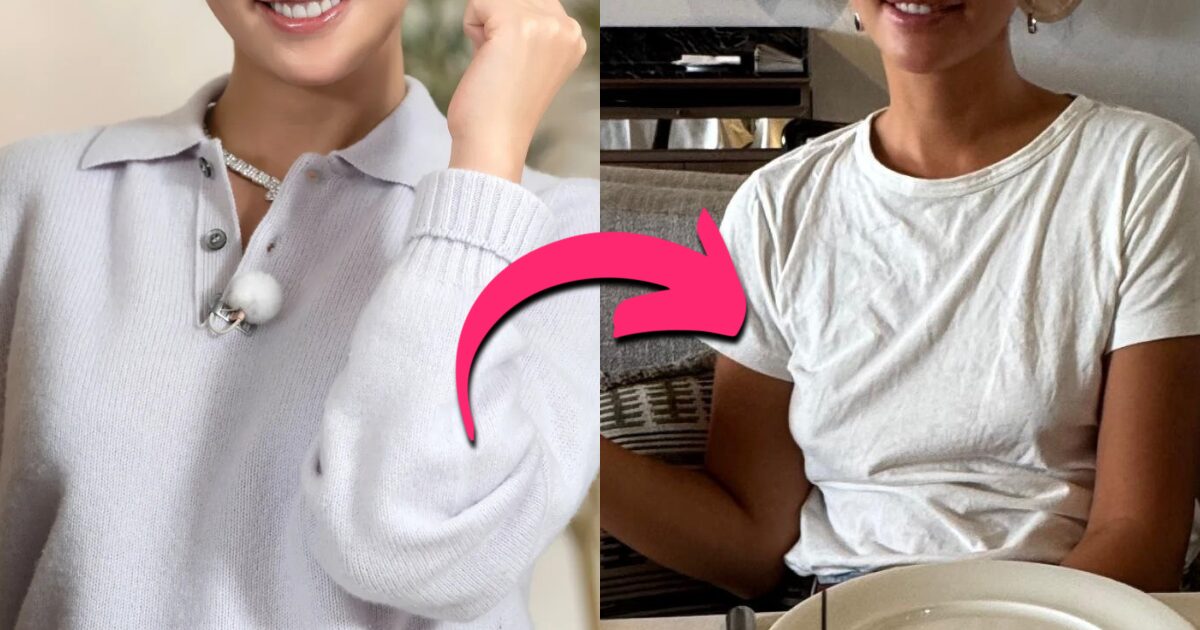
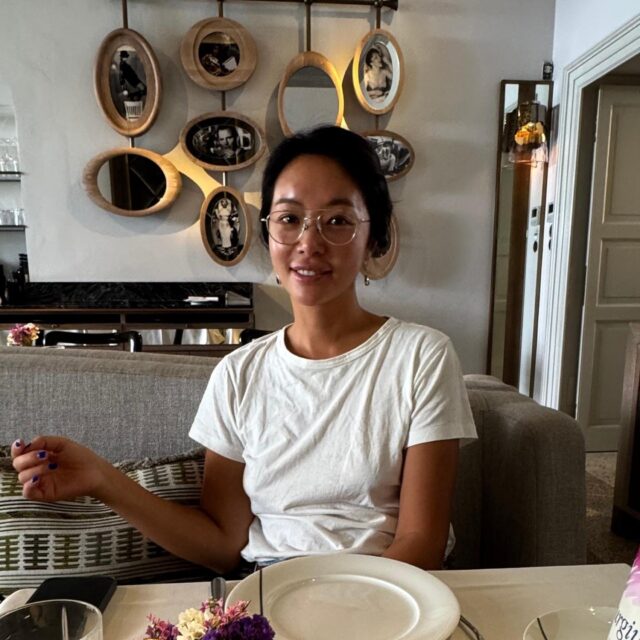
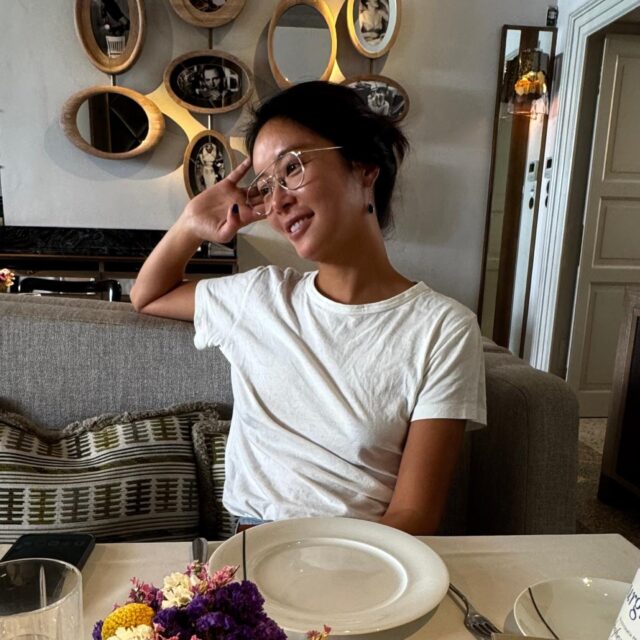
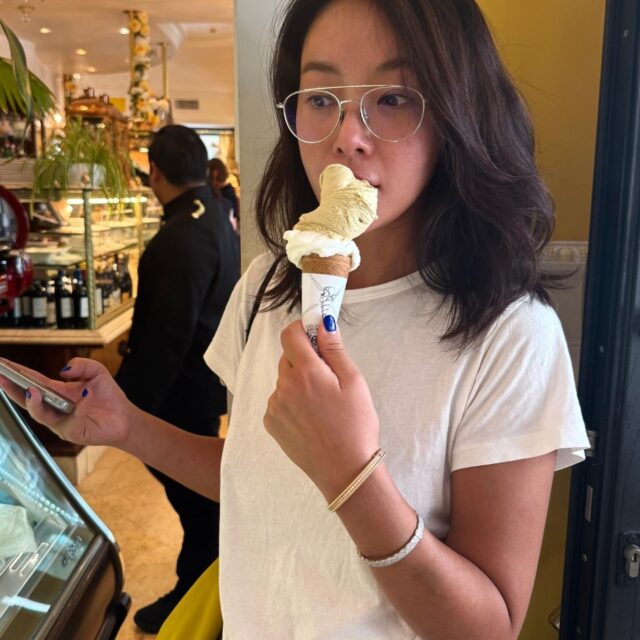
On August 7, 2026, Hwang Jung Eum, a prominent figure in the Hallyu wave, shared a series of personal photographs on her Instagram account (@jungeum84). The images captured the actress in a relaxed, makeup-free state, sporting a simple white t-shirt and glasses, seemingly enjoying a vacation abroad. While the photos exuded a casual and authentic vibe, it was her strikingly bronzed skin that immediately seized public attention. Her typically fair complexion appeared dramatically darker, a transformation that starkly contrasted with the prevailing beauty ideals often upheld in South Korean media. The raw, unfiltered nature of the photos, seemingly devoid of professional editing or filters common in celebrity posts, further emphasized the extent of her tan, prompting an immediate and widespread online reaction.
A Deep Dive into Netizen Reactions: Shock, Critique, and Cultural Commentary
The reaction to Hwang Jung Eum’s tanned appearance was swift and multifaceted, dominating entertainment news cycles and online forums. Initial comments ranged from expressions of surprise and concern to outright criticism. Screenshots of news headlines and comments quickly circulated, with one prominent online portal, Nate News, featuring a headline that translated to: "Hwang Jung Eum—just how much did she tan? Shocking skin tone rivaling that of a Black person." This particular phrasing immediately drew further scrutiny, highlighting not only the aesthetic shock but also the underlying cultural and potentially racially insensitive aspects of the discussion.
Online forums were flooded with comments. A significant portion of netizens expressed dismay, noting that her new look was "unrecognizable" or "too dark." Some questioned the aesthetic choice itself, suggesting it did not align with the traditional standards of beauty revered in South Korea. "I had to look twice, I almost didn’t recognize her," one user commented, reflecting a common sentiment of bewilderment. Others voiced concerns for her skin health, speculating about potential sun damage from prolonged exposure, a narrative often linked to tanning in a society that prioritizes skin protection and anti-aging.
However, the discussion also extended beyond mere aesthetic critique. The comparison of her skin tone to that of a Black person, while seemingly intended to emphasize the dramatic change, inadvertently opened a dialogue on racial perception and cultural sensitivity within the Korean context. While the intention might have been to convey a profound level of tanning, such comparisons can often be perceived as problematic, reducing racial identity to a mere skin tone and potentially overlooking the complexities of race and ethnicity. This element of the commentary underscored the broader global conversation around racial representation and sensitivity in East Asian media and public discourse.

Understanding the Cultural Context: Korean Beauty Standards and the Pursuit of Fair Skin
To fully grasp the intensity of the public reaction, it is crucial to understand the deeply entrenched beauty standards in South Korea, where fair, porcelain-like skin has long been considered a paramount attribute of beauty. This preference, often referred to as baek-ok-pibu (jade-like skin), has historical roots, traditionally associated with aristocracy and indoor leisure, signifying a life free from manual labor under the sun. In contrast, tanned skin was historically linked to outdoor work and a lower social status.
In contemporary South Korea, this ideal continues to heavily influence beauty trends and product markets. The K-beauty industry, a global powerhouse, heavily promotes products aimed at skin brightening, whitening, and UV protection, reinforcing the notion that lighter skin is synonymous with beauty, purity, and youth. Celebrities, particularly actresses, are often seen as exemplars of these beauty ideals, with their public image meticulously managed to maintain a pristine and often fair-skinned appearance. When a public figure deviates significantly from these established norms, especially in such a visible manner, it often triggers a strong societal reaction, as evidenced by Hwang Jung Eum’s case. This cultural backdrop explains why a deep tan, which might be celebrated in some Western cultures as a sign of health or leisure, became a subject of controversy and concern in South Korea.
Hwang Jung Eum’s Public Image and Career Trajectory
Hwang Jung Eum has cultivated a robust career as a highly regarded actress since her debut as a member of the K-pop girl group Sugar in 2001, later transitioning successfully into acting. She gained widespread recognition for her roles in popular dramas such as "High Kick Through The Roof" (2009), "Secret Love" (2013), "Kill Me, Heal Me" (2015), and "She Was Pretty" (2015). Throughout her career, her public image has largely aligned with the conventional beauty standards of the industry – elegant, often vivacious, and consistently presenting a well-groomed, fair-skinned appearance. Her roles have frequently showcased her versatility, from comedic to intensely dramatic, but her aesthetic has remained consistently within the expected parameters of a leading Korean actress.
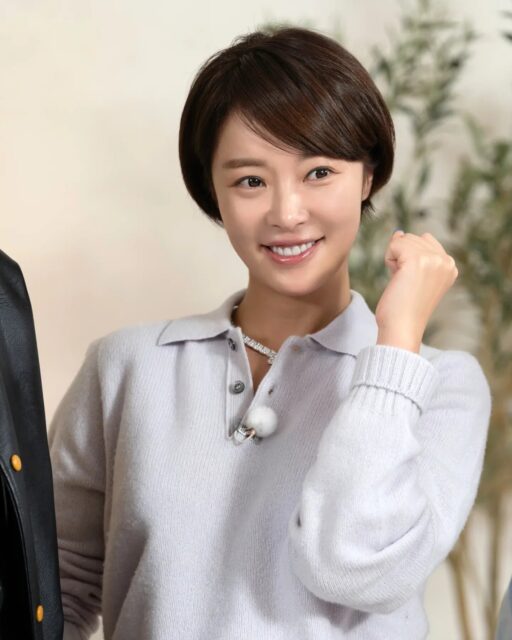
This long-standing public persona made her dramatically tanned appearance particularly jarring for many fans and the broader public. Her willingness to share such unretouched photos, defying the meticulously curated images often presented by celebrities, was seen by some as a bold statement of personal freedom, while others viewed it as a departure from the image they had come to expect and admire. The incident thus placed a spotlight on the delicate balance celebrities must strike between their personal choices and the public’s expectations.
The Broader Discourse: Celebrity Autonomy vs. Public Expectation
The controversy surrounding Hwang Jung Eum’s tan underscores a perennial tension in the celebrity world: the conflict between an individual’s right to personal expression and the pervasive public and industry expectations placed upon them. For many celebrities, their physical appearance is inextricably linked to their brand and marketability. Deviations from established norms, whether intentional or accidental, can invite intense scrutiny and potentially impact their career trajectory.
In a highly visual industry like K-entertainment, where image is meticulously managed, Hwang Jung Eum’s candid display of a deeply tanned complexion could be interpreted in several ways. Some might see it as an act of rebellion against unrealistic beauty standards, a move towards embracing a more natural or personally preferred aesthetic. This aligns with a growing global movement advocating for body positivity and authenticity, even among public figures. However, within the traditional framework of the Korean entertainment industry, such a departure can be perceived as risky, potentially alienating a segment of the fanbase or advertisers who prefer a more conventional celebrity image. The debate thus extends beyond Hwang Jung Eum herself, prompting questions about the evolving landscape of celebrity image, self-expression, and the societal pressure to conform.
The Role of Social Media in Amplifying Debate
Social media platforms, particularly Instagram where Hwang Jung Eum initially posted her photos, played a pivotal role in amplifying this controversy. The immediate and unfiltered nature of these platforms allows for direct engagement between celebrities and their audience, but also facilitates rapid dissemination of content and instantaneous, often unmoderated, public reaction. Within minutes of her post, comments began to pour in, and screenshots were quickly shared across various online communities, news sites, and discussion forums.
This rapid amplification meant that the narrative around her appearance was shaped almost in real-time by public sentiment, often without the nuanced context that traditional media might provide. The viral nature of such discussions highlights both the power and the peril of social media for public figures. While it offers a direct channel for connection, it also exposes them to an unprecedented level of scrutiny and a deluge of opinions, both supportive and critical, that can quickly escalate into widespread controversy.
Beyond Aesthetics: Health and Wellness Perspectives
While the primary focus of the controversy revolved around aesthetics and cultural beauty standards, some aspects of the online discussion also touched upon health and wellness. In many parts of the world, including South Korea, there is increasing awareness about the dangers of excessive sun exposure, including skin cancer, premature aging, and hyperpigmentation. Given the strong emphasis on skincare and anti-aging within K-beauty, some netizens expressed concern for Hwang Jung Eum’s skin health, interpreting her deep tan as a potential indicator of overexposure to UV rays.
This perspective adds another layer to the public’s reaction, shifting it from purely aesthetic judgment to a more protective or health-conscious concern. While the actress herself has not commented on her tanning practices or intentions, the public’s discourse reflects a broader societal understanding and concern regarding skin health, particularly for public figures whose appearance is often seen as a benchmark for beauty and well-being.
Previous Public Scrutiny: The "Trash" Incident
This latest incident is not the first time Hwang Jung Eum has found herself at the center of public scrutiny. Just prior to the tanning controversy, the actress faced criticism regarding a separate incident dubbed the "trash" controversy. Reports emerged alleging that she had improperly disposed of items, including children’s toys, in a manner that affected her neighbors. Koreaboo, the original source of this article, had previously reported on this, stating, "‘She Was Pretty’ K-Drama Actress Gets Called Out For Dumping Her ‘Trash’ On Others."
This previous incident, though unrelated to her appearance, establishes a pattern of heightened public and media interest in Hwang Jung Eum’s personal life and actions. It suggests that she, like many high-profile celebrities, operates under a constant microscope, where even seemingly minor personal choices can become subjects of widespread public debate and criticism. The combination of these two controversies in a relatively short period may contribute to a perception of the actress defying conventional expectations, whether intentionally or not.
Potential Implications and Future Outlook
The controversy surrounding Hwang Jung Eum’s tanned appearance carries several potential implications, both for her personally and for the broader entertainment industry. For the actress, this incident could lead to a re-evaluation of her public image. While some might applaud her authenticity and personal freedom, others, including potential advertisers and casting directors, might view it through the lens of marketability within a beauty-conscious industry. Her next public appearance or project will likely be scrutinized for any signs of addressing or ignoring the public’s reaction.
More broadly, this event contributes to the ongoing global dialogue about beauty standards, cultural norms, and celebrity influence. It highlights the persistent grip of traditional beauty ideals in South Korea, even as global trends lean towards more diverse representations of beauty. It also serves as a potent reminder of the power of social media to instantly elevate personal choices into widespread cultural conversations, often fraught with diverse opinions and sometimes, unintended cultural insensitivity.
The incident may also prompt other celebrities and their agencies to consider the implications of their online presence and personal aesthetic choices. While the industry is slowly diversifying, the pressure to conform to established beauty norms remains strong. Hwang Jung Eum’s situation might encourage a more open discussion about body autonomy and diversity in appearance within the K-entertainment sphere, or it could reinforce the existing conservative standards, depending on how the narrative evolves and how the public ultimately responds in the long term.

Concluding Thoughts
Hwang Jung Eum’s vacation photos, intended perhaps as a simple sharing of personal moments, have inadvertently become a flashpoint for complex discussions about beauty standards, cultural expectations, and celebrity autonomy in South Korea. The intense reactions, ranging from aesthetic critique to concerns about racial sensitivity and health, underscore the deep-seated cultural preferences for fair skin and the immense scrutiny faced by public figures. As the dust settles, the controversy leaves behind a trail of questions about evolving beauty ideals, the boundaries of personal expression for celebrities, and the powerful, often unforgiving, gaze of the public in the digital age.