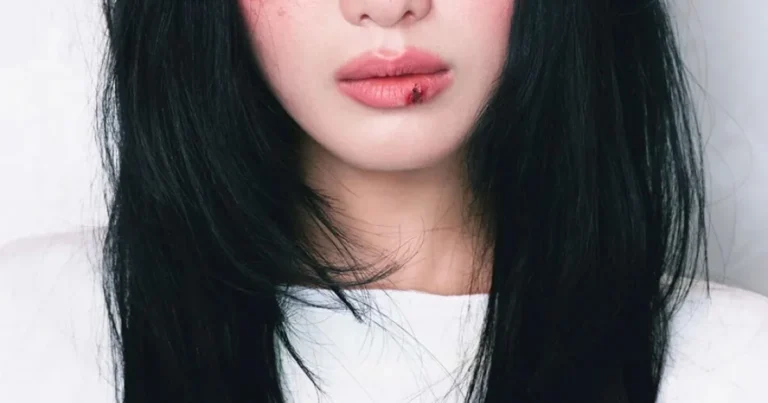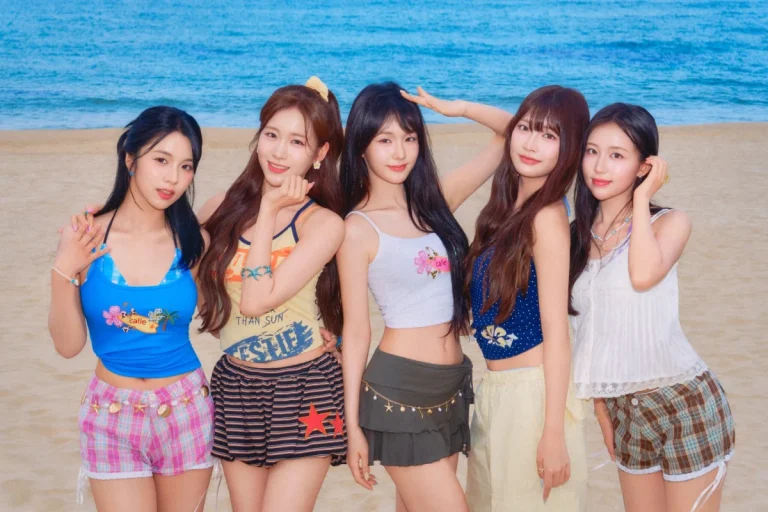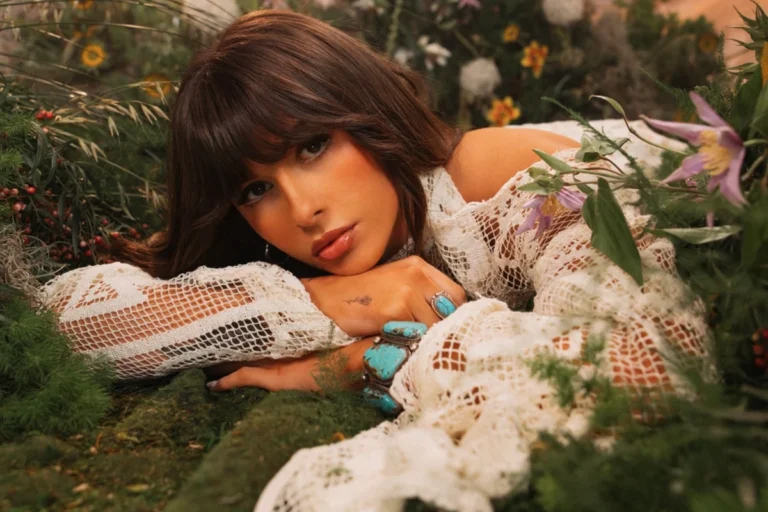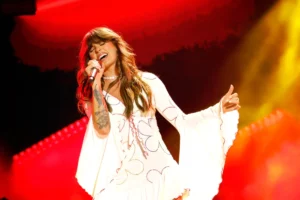
In a striking display of defiance against online toxicity, Son Chaeyoung, a prominent member of the globally acclaimed K-pop girl group TWICE, recently garnered widespread attention for her direct and unhesitating confrontation of a malicious commenter. The incident, which unfolded on a private fan communication platform, saw Chaeyoung publicly address a backhanded remark about her tattoos, turning the tables on her detractor and reigniting discussions within the K-pop community about idol vulnerability, personal expression, and the pervasive issue of online harassment. Her forthright response not only earned her accolades from fans worldwide but also highlighted the evolving landscape of idol-fan interactions and the growing willingness of artists to challenge unwarranted criticism head-on.
The Incident Unfolds: A Direct Confrontation
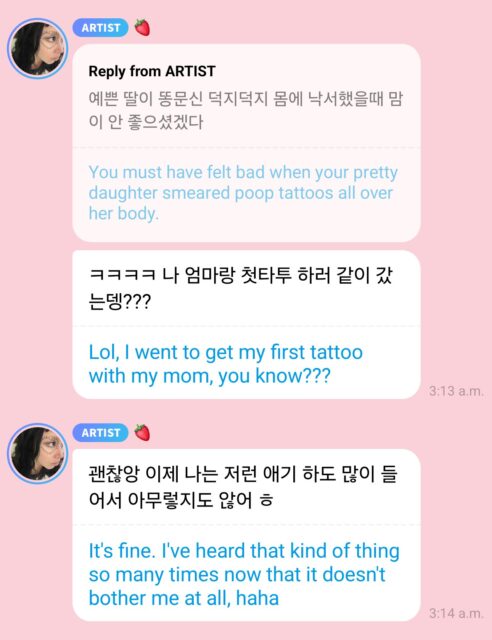
The catalyst for this widely reported event was a comment received by Chaeyoung during a routine interaction with fans via a paid messaging application. These platforms are designed to foster closer connections between idols and their fanbase, offering a more intimate channel for communication than public social media. However, they also, on occasion, become conduits for negativity, as was the case here. A user sent a message criticizing Chaeyoung’s tattoos, specifically stating that her mother "must have been disappointed over her ‘shitty’ tattoos." This comment, laced with personal judgment and an attempt to invoke familial disapproval, represents a common tactic employed by malicious commenters aiming to inflict emotional distress.
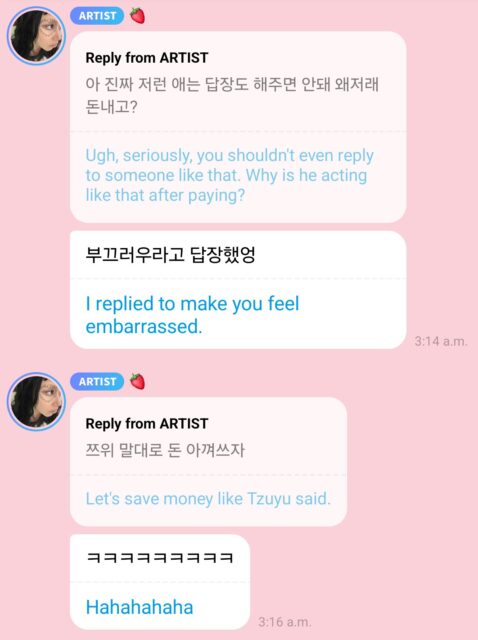
Instead of the customary silence or indirect dismissal often adopted by idols to avoid fueling further controversy, Chaeyoung chose a markedly different path. She directly addressed the comment, bringing it into the public view of the chatroom for all subscribers to see. Her response was swift and definitive: she revealed that she had, in fact, gone to get her very first tattoo accompanied by her mother. This simple, factual statement not only debunked the troll’s assumption but also underscored the personal significance and familial support behind her choices, effectively neutralizing the intended sting of the insult.
Following her initial retort, concerned fans expressed their worry over her being subjected to such negativity on a platform meant for positive engagement. Chaeyoung, however, quickly reassured them, stating she was accustomed to "mindless comments" of this nature. More significantly, she explicitly articulated her motivation for responding: to "make the sender feel embarrassed." This deliberate intent to shift the shame onto the aggressor rather than internalizing the criticism marked a powerful moment of empowerment, resonating deeply with many who advocate for stronger measures against online harassment.
Tattoos and Taboos in K-pop: A Shifting Cultural Landscape
Chaeyoung’s tattoos have been a topic of public discussion for some time, reflecting a broader cultural conversation in South Korea regarding body art. Historically, tattoos in South Korea have carried certain societal stigmas, often associated with criminality or rebellious subcultures. For public figures, particularly K-pop idols who are expected to maintain a pristine and often conservative image, visible tattoos can be a particularly contentious issue. Many idols still opt to cover their tattoos during broadcasts or public appearances to adhere to prevailing media standards and avoid potential backlash from more traditional segments of their audience.

However, over the past decade, there has been a noticeable, albeit gradual, shift in perception, especially among younger generations and international fans who view tattoos as a form of personal expression and artistry. Idols like Chaeyoung, who openly display their body art, are often seen as trailblazers, pushing the boundaries of what is considered acceptable within the highly scrutinized K-pop industry. Her tattoos, which include a variety of designs, are often discussed by fans as part of her unique artistic identity and individual style. Her decision to speak out against criticism regarding them is therefore not just a personal stand but also a symbolic act within this evolving cultural context. The fact that her mother accompanied her for her first tattoo further challenges the traditional narrative of parental disapproval, suggesting a more progressive family outlook that contrasts sharply with the troll’s presumptions.
The Pervasive Issue of Malicious Commenting in K-pop
The incident with Chaeyoung is not an isolated one but rather a stark reminder of the pervasive issue of malicious commenting and online trolling that plagues the K-pop industry. Idols, by virtue of their immense public exposure, are constantly subjected to intense scrutiny, criticism, and often, outright harassment. These comments can range from critiques of their appearance, talent, or personality, to deeply personal attacks, rumors, and even threats. The anonymity afforded by the internet often emboldens individuals to post hateful content they would never utter in person.
K-pop agencies have increasingly recognized the severe psychological toll these comments take on their artists, leading to numerous instances of idols hiatuses, mental health struggles, and in tragic cases, even suicide. In response, many major entertainment companies, including JYP Entertainment (TWICE’s agency), have established robust legal teams dedicated to monitoring online platforms and pursuing legal action against malicious commenters. These efforts, which often involve collecting evidence, identifying perpetrators, and filing criminal complaints for defamation, insult, or obstruction of business, aim to deter future attacks and protect their artists.

However, despite these legal measures, the sheer volume of online content makes it challenging to police every instance of harassment. This leaves many idols to navigate the daily onslaught of negativity, often relying on their own resilience or the support of their genuine fanbase. Chaeyoung’s decision to respond directly, rather than waiting for agency intervention, represents a proactive and personal approach to reclaiming agency in an environment where idols often feel powerless against anonymous attacks.
Fan and Industry Reactions: A Wave of Support and Reflection
The immediate aftermath of Chaeyoung’s candid response saw a massive outpouring of support from fans across social media platforms. Tweets quickly went viral, praising her courage and wit. Users highlighted her specific line, "I replied to make you feel embarrassed," as a powerful example of turning the tables on a bully. Many fans expressed their admiration for her strength, recalling past instances where Chaeyoung, and TWICE as a whole, have navigated intense public scrutiny and malicious campaigns. One fan remarked, "She went thru one of the worst hate trains in Kpop history…she ain’t scared of SHIT," referencing previous challenges faced by the group.
Beyond the immediate commendation, fans also voiced a collective frustration and bewilderment at the troll’s actions. The fact that the malicious comment was sent via a paid subscription service struck many as particularly egregious. "What is the logic of paying to send hate to someone and then getting mad that they responded to your hate?" questioned one user, encapsulating the absurdity of the situation. Another tweet highlighted the "insane" level of dedication required to spend money just to be hateful, underscoring the deep-seated malice that drives such actions. This aspect of the incident fueled discussions about the psychological profile of online trolls and the ethical implications of platforms that, despite being subscription-based, can still be exploited for harmful purposes.
While JYP Entertainment did not issue an immediate public statement specifically on this interaction, the incident aligns with the broader industry trend of encouraging artists to assert their boundaries and for agencies to support their artists in combating online harassment. Chaeyoung’s direct approach could be seen as a powerful personal complement to the institutional legal actions undertaken by agencies. It sends a clear message that idols are not passive recipients of abuse and are capable of defending their personal choices and dignity.
Broader Implications and the Future of Idol-Fan Dynamics
Chaeyoung’s bold response carries several significant implications for the K-pop industry and the evolving relationship between idols and their fans. Firstly, it serves as an empowering example for other artists who constantly face similar attacks. By publicly shaming the aggressor and clarifying her personal narrative, Chaeyoung demonstrated a viable, albeit unconventional, method of confronting hate. This could inspire more idols to speak out, fostering a culture where malicious comments are met with direct accountability rather than silent endurance.
Secondly, the incident forces a renewed examination of the design and moderation of fan communication platforms. While these services aim to create exclusive spaces, they also inadvertently provide a direct line for both genuine support and targeted harassment. The fact that a paid subscriber used the platform for hate speech underscores the need for robust reporting mechanisms and stricter enforcement of community guidelines, even in private channels. Platform providers might need to review their policies to better protect artists from such misuse.
Finally, this event contributes to the ongoing evolution of the K-pop idol image. As the industry matures and globalizes, there’s a growing demand for authenticity and individuality from artists. Chaeyoung’s tattoos and her unapologetic defense of them are emblematic of a shift towards idols being more comfortable expressing their true selves, even if it challenges traditional expectations. Her actions reinforce the idea that idols are multifaceted individuals with personal lives and autonomy, not merely manufactured products of the entertainment industry. This strengthens the bond with fans who value genuine connection and see idols as relatable human beings navigating public life.
In conclusion, TWICE’s Chaeyoung’s swift and resolute response to a malicious comment about her tattoos transcended a mere celebrity anecdote. It became a powerful statement on personal integrity, the challenges of online fame, and the evolving dynamics within the K-pop industry. Her decision to confront rather than ignore, and to clarify her personal truth, resonated deeply with fans and sparked important conversations about idol empowerment, the fight against online toxicity, and the ongoing redefinition of what it means to be a K-pop idol in the 21st century. As the industry continues to grapple with the complexities of digital interaction, Chaeyoung’s moment of defiance stands as a compelling reminder that even in the face of anonymity and malice, authenticity and courage can prevail.