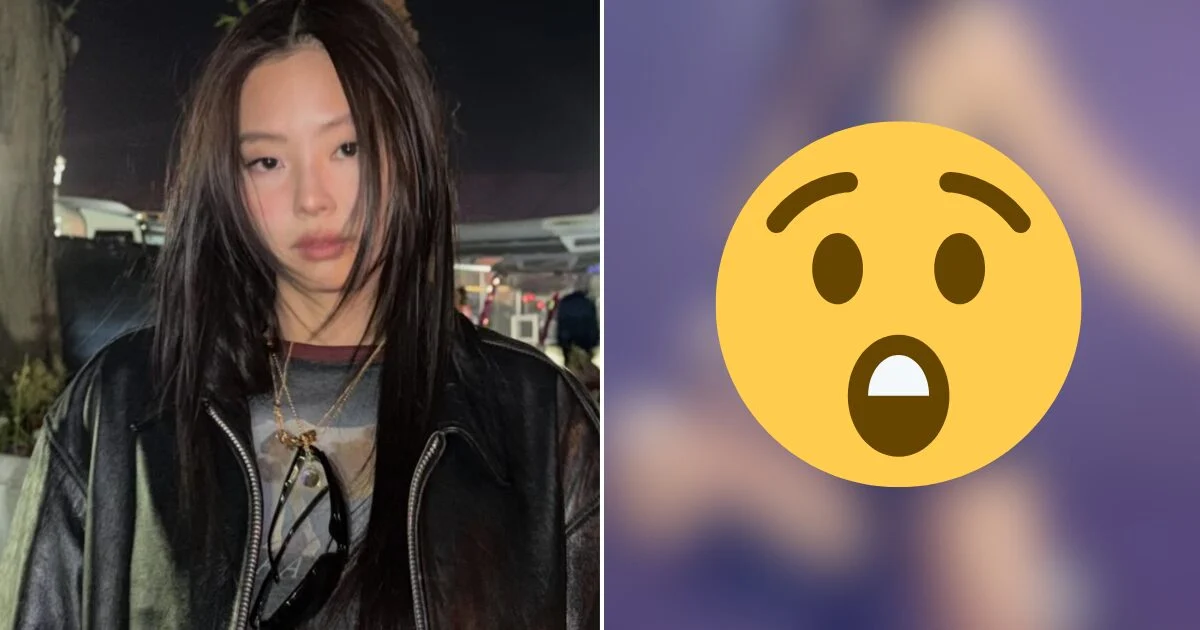
BLACKPINK member Jennie Kim, a global icon and influential figure in K-Pop, has recently found herself at the center of a heated online debate following a wardrobe malfunction during a performance at a European festival. The incident, which saw her shorts reportedly shifting to expose more than intended, rapidly disseminated across social media platforms, sparking a wave of scathing criticism directed at the idol, with some commentators controversially suggesting the incident was intentional. The event has reignited discussions surrounding idol attire, stage professionalism, and the intense scrutiny faced by female artists in the entertainment industry.
The Incident Unfolds: A Closer Look at the Performance
The incident occurred during Jennie’s ongoing series of performances at various European festivals, where BLACKPINK has been captivating audiences with their high-energy sets and signature style. While the exact date and specific festival location were initially subjects of online speculation, a widely circulated video clip, timestamped July 8, 2026, quickly identified the event. The footage, captured by a fan or attendee, showed Jennie performing a dynamic choreography number when her shorts appeared to shift significantly, creating an unintended revealing moment. This fleeting instance, though likely accidental given the demanding nature of K-Pop performances, was swiftly clipped, shared, and analyzed across platforms like X (formerly Twitter) and Instagram.
Related Articles
The nature of live performances often presents unique challenges for artists and their styling teams. Idols like Jennie are required to execute complex choreographies involving extensive movement, jumps, and intricate footwork, all while maintaining a powerful stage presence. Costumes are designed to be visually impactful and align with the group’s concept, but functionality and security against malfunctions are equally critical. In this particular instance, the dynamic movements seemingly overwhelmed the garment’s security, leading to the brief exposure that has since dominated online discourse.
Immediate Online Backlash and Accusations
The digital aftermath of the incident was immediate and intense. Within hours of the video’s upload, Jennie’s name began trending globally as discussions surged across various online communities. A significant portion of the commentary was overtly critical, with many users expressing harsh judgments and even making serious accusations.
One prevalent theme among critics was the assertion that the wardrobe malfunction was not an accident but a deliberate act. Comments such as "Many thought she did it on purpose" reflected a pervasive suspicion. Social media users drew comparisons to past, unrelated incidents involving Jennie or other idols, positing a pattern. One user controversially tweeted, "First time is an accident, second time is suspicious, third time is a conspiracy," suggesting a premeditated effort to garner attention. This line of criticism often veered into character attacks, with some questioning Jennie’s professionalism and integrity as an artist.
Another common point of contention revolved around the alleged lack of preventive measures. Critics vehemently questioned why "safety shorts" – an industry standard undergarment designed to prevent accidental exposure – were seemingly not effective or utilized. "Someone needs to tell her that safety shorts exist cuz wtf is this?" one user exclaimed, highlighting a perceived oversight by Jennie or her styling team. The debate escalated further with some comments explicitly accusing Jennie of "pleasing her incel audience," a highly charged and misogynistic accusation that underscored the vitriolic nature of some online reactions. Others lamented that it was "not a good look as an artist," implying damage to her image and the broader perception of K-Pop idols. The sheer volume and intensity of these criticisms painted a picture of a digital environment quick to judge and slow to empathize.
A History of Scrutiny: Idol Wardrobe Controversies in K-Pop
This incident with Jennie is not an isolated event but rather another chapter in the long-standing history of wardrobe controversies within the K-Pop industry, particularly concerning female idols. The visual aspect of K-Pop is paramount, with elaborate stage costumes playing a crucial role in conveying concepts and enhancing performances. However, this emphasis often places female idols under an intense and often unfair level of scrutiny regarding their attire.
Throughout K-Pop’s history, female artists have frequently faced public criticism from various fronts—conservative segments of society, moralistic netizens, and even some fan groups—for outfits deemed "too revealing" or "inappropriate." Conversely, they have also been criticized for outfits perceived as "too restrictive" or "unflattering." This creates a Catch-22 situation where idols are perpetually navigating a narrow path of acceptable fashion, with little room for error or personal expression.
Past instances have seen groups or individual idols facing backlash for skirt lengths, necklines, transparency of fabrics, or even the material of their clothing. In some cases, agencies have had to issue apologies, alter outfits mid-promotion, or even pull performances due to public outcry. This constant public surveillance over female idols’ bodies and clothing choices reflects broader societal attitudes towards women in the public eye, often leading to their objectification and the trivialization of their artistic contributions. Jennie, as a prominent figure, unfortunately, becomes a focal point for these recurring debates, regardless of the intentionality of the incident.
The Demands of Stage Wear and Stylist Responsibilities
Designing stage costumes for K-Pop idols is a complex process that balances aesthetic appeal, thematic coherence, and practical functionality. Stylists and costume designers work under immense pressure to create visually stunning ensembles that not only align with a group’s current concept but also withstand the rigors of high-energy choreography. Outfits must be durable, flexible, and above all, secure.
For dynamic performers like Jennie, whose stage presence involves powerful and often acrobatic movements, the risk of wardrobe malfunctions is inherently higher. A garment that appears perfect in a static pose might behave unpredictably under extreme motion. Fabrics can shift, seams can stretch, and fastenings can give way. This is where "safety shorts" or other forms of internal securing garments become crucial. These are typically tight-fitting, modest shorts worn under skirts, dresses, or even short shorts to provide an additional layer of protection against accidental exposure. The questioning of their absence or efficacy in Jennie’s case highlights a critical concern for both fan welfare and idol protection.
The responsibility for preventing such incidents primarily lies with the styling team and the idol’s management agency. From concept design and material selection to fittings and final checks before a performance, every step requires meticulous attention. A wardrobe malfunction, even an accidental one, can reflect poorly on the entire production team, leading to internal reviews and stricter protocols. However, despite the best efforts, the unpredictable nature of live performance means that minor mishaps can still occur, underscoring the constant challenges faced by those behind the scenes.
The Role of Social Media in Amplifying Criticism
The rapid dissemination and amplification of the incident can be largely attributed to the pervasive influence of social media. Platforms like X, Instagram, and TikTok act as instantaneous news channels, where content can go viral globally within minutes. For K-Pop, which boasts one of the most active and engaged online fanbases, any event involving a major idol like Jennie is almost guaranteed to become a trending topic.
The anonymous nature of much of social media commentary often emboldens users to express extreme opinions, leading to a phenomenon known as "digital mobbing" or "cancel culture." In Jennie’s case, the initial sharing of the video was quickly followed by an avalanche of critical posts, many of which were emotionally charged and lacked nuance. The algorithms of these platforms often prioritize engagement, inadvertently promoting controversial content and sensational headlines, thereby creating echo chambers where critical voices can dominate the narrative.
While social media allows fans to connect and celebrate their idols, it also provides an unmoderated space for anti-fans and critics to launch attacks. The speed at which opinions solidify and spread online makes it incredibly difficult for agencies or idols to control the narrative or offer timely counter-arguments. This incident serves as a stark reminder of the double-edged sword of digital connectivity in the entertainment industry.

Responses from Fans and the Industry (or lack thereof)
In the immediate aftermath, no official statement was released by YG Entertainment, BLACKPINK’s management agency, regarding the incident. This is a common practice in the K-Pop industry, where agencies often choose to remain silent on minor controversies, hoping they will naturally subside, or only address them if legal action is deemed necessary against malicious commentators. The absence of an official response, however, sometimes leaves a vacuum that allows speculation and criticism to intensify.
While the online discourse was heavily skewed towards criticism, a significant segment of Jennie’s fanbase and other K-Pop enthusiasts rallied to her defense. These supporters argued that wardrobe malfunctions are unfortunate accidents that can happen to any performer, especially given the intense choreography and demanding nature of K-Pop stages. They emphasized that focusing on such a minor mishap detracts from Jennie’s talent and hard work as an artist. Many also condemned the harsh and often misogynistic tone of the criticism, highlighting the unfair pressure placed on female idols. Arguments were made that the incident was being hyper-sexualized and used as an excuse to target Jennie, reflecting broader issues of online harassment and objectification.
Some fans pointed out that the focus should be on the quality of her performance rather than a fleeting clothing issue. They also highlighted the potential psychological toll such intense public scrutiny can have on idols, urging for more empathy and understanding. This counter-narrative, while present, often struggled to gain as much traction as the more sensational critical comments, illustrating the challenges of defending public figures against viral negativity.
Broader Implications: Image, Industry Standards, and Online Culture
The incident, though seemingly minor, carries broader implications for Jennie, BLACKPINK, and the K-Pop industry at large. For Jennie, despite her established global stardom, such controversies can temporarily tarnish her carefully cultivated image, particularly among new audiences or those unfamiliar with the context of K-Pop performance demands. While her core fanbase remains loyal, the persistent negativity can create a subtle, long-term impact on public perception.
For the K-Pop industry, this incident reinforces the ongoing need for rigorous attention to detail in costume design and performance safety. It might prompt agencies to review their protocols, ensuring that stylists are equipped with the best practices for securing stage outfits and that idols are comfortable and protected during their demanding schedules. The conversation around "safety shorts" itself highlights a practical aspect that needs consistent enforcement.
Beyond the immediate practicalities, the episode underscores the precarious position of female idols in the digital age. They are celebrated for their talent and beauty but simultaneously subjected to unprecedented levels of scrutiny, judgment, and often, harassment, particularly concerning their bodies and attire. This incident is a stark reminder of the power of online platforms to shape narratives, incite public opinion, and potentially harm individuals, even over an accidental and brief moment of exposure. It calls for a more nuanced understanding of live performance challenges and a more empathetic approach to public figures in the online sphere. As K-Pop continues its global expansion, these discussions become increasingly relevant, shaping the future landscape of idol management and fan engagement.