HYBE And ILLIT Lose Major Damages Lawsuit, Ordered To Bear Cost Of Litigation
Article Editorial Team
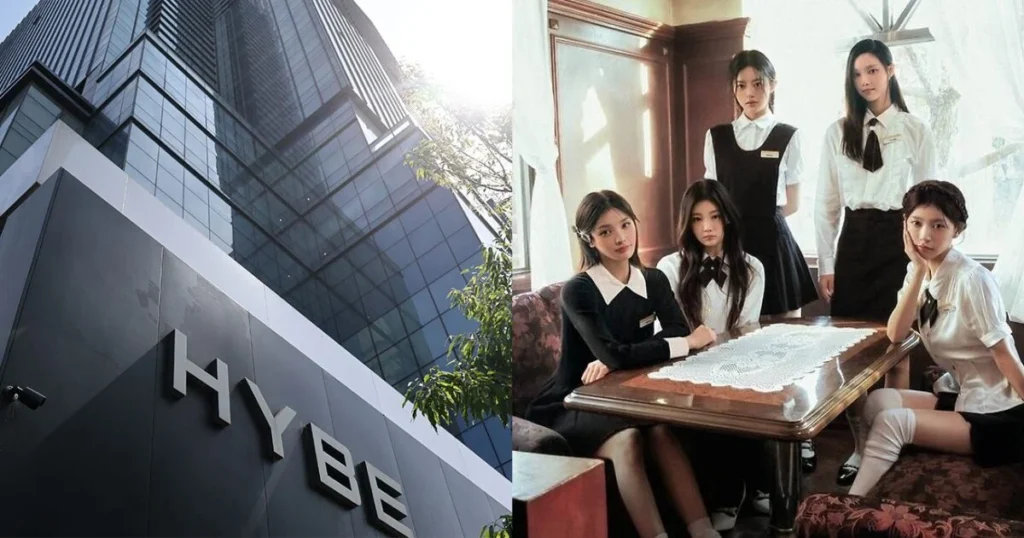
Seoul, South Korea – In a significant legal setback for one of K-pop’s most dominant entertainment conglomerates, HYBE Corporation, its subsidiary BELIFT LAB, and their rookie girl group ILLIT have reportedly lost a major damages lawsuit against a media company identified as Fast View, which operates several YouTube channels. The Seoul Western District Civil Division 12 ruled against the plaintiffs on May 8, 2026, ordering them not only to dismiss their claims for monetary damages but also to bear all legal costs incurred by the defendant. This decision marks a notable moment in the ongoing battle between K-pop agencies and online content creators, particularly those labeled as "cyber wreckers" who disseminate potentially controversial information.
Background of the Litigation: A Stance Against Online Defamation
HYBE Corporation, parent company to various high-profile K-pop acts, including global phenomenon BTS, has long maintained a robust legal strategy against malicious online activity targeting its artists. This includes aggressive measures against defamation, personal attacks, and the spread of misinformation. The company regularly issues public statements detailing its commitment to protecting its artists’ rights and mental well-being through legal action. The lawsuit against Fast View and its associated YouTube channels was initiated in 2024, fitting within this broader organizational policy.
The core of HYBE’s complaint, later joined by BELIFT LAB and the members of ILLIT as co-plaintiffs, centered on allegations that Fast View’s content constituted slander and defamation. The conglomerate sought approximately ₩280 million KRW (approximately $192,000 USD at current exchange rates) in damages. The disputed content, disseminated across seven YouTube channels managed by Fast View, reportedly included serious accusations against ILLIT, primarily focusing on claims of plagiarism concerning other girl groups and allegations linking HYBE to a specific religious organization. These types of accusations are particularly sensitive within the K-pop industry, capable of significantly damaging an artist’s reputation and career.
Chronology of Events Leading to the Verdict
The legal journey began in 2024 when HYBE initially filed a criminal complaint with the police. This move indicated the severity with which the company viewed the allegations, asserting that the claims made by Fast View were entirely false and damaging. The criminal complaint aimed to hold the creators of the content accountable under South Korea’s stringent laws concerning defamation and insult, particularly the Information and Communications Network Act.
By May 2025, the initial criminal investigation saw a former team leader-level employee at Fast View referred to the prosecution on charges of defamation and insult under the aforementioned Act. This referral suggested that law enforcement had found sufficient grounds to proceed with a criminal case, indicating potential legal vulnerability for the defendant. Such a development typically strengthens the position of the plaintiff in parallel civil damages lawsuits, as it lends credibility to their claims of harm.
However, the trajectory of the civil damages lawsuit diverged significantly from the criminal referral. The first-instance hearing on May 8, 2026, saw the Seoul Western District Civil Division 12 deliver a verdict that not only denied HYBE’s claims for damages but also imposed the financial burden of litigation costs on the plaintiffs. This outcome suggests a fundamental disagreement by the court with the premise of HYBE’s civil suit, despite the earlier criminal referral.
Understanding the Court’s Potential Rationale
While the full details of the court’s reasoning have not been publicly disclosed in initial reports, several factors are typically considered in South Korean defamation lawsuits, particularly when involving public figures and media outlets.
- Freedom of Expression vs. Defamation: South Korean law, like many democratic legal systems, balances the right to freedom of expression with the protection of reputation. The court likely weighed whether Fast View’s content, while critical or even provocative, crossed the threshold from legitimate commentary or reporting on public discourse into actionable defamation. Defamation generally requires proving that false statements of fact were made with malicious intent or reckless disregard for the truth, and that these statements caused actual harm.
- Public Interest and Fact-Checking: The allegations of plagiarism and religious association are matters that, in the context of the entertainment industry, can be considered of public interest. Media outlets, including YouTube channels, often claim a right to report on or discuss such topics, especially if they are already subjects of broader public conversation or fan speculation. The court might have found that Fast View’s content was primarily reporting on existing controversies or expressing opinions, rather than fabricating outright false facts.
- Burden of Proof: In civil cases, the plaintiff bears the burden of proof. HYBE and its affiliates would have needed to convincingly demonstrate that Fast View’s content contained demonstrably false statements of fact, that these statements were made with an intent to harm or with severe negligence, and that these statements directly caused specific, quantifiable damages. It is possible the court found that this burden was not sufficiently met. For instance, "plagiarism" can be a subjective accusation in artistic fields, and proving it legally in a defamation context can be complex, often requiring expert testimony on artistic similarities rather than just fan comparisons. Similarly, claims of religious association might be difficult to prove as "false" if the content merely pointed to perceived connections or discussed public rumors, rather than asserting definitive, verifiable falsehoods about direct involvement.
- Nature of "Cyber Wrecker" Content: While HYBE labeled Fast View a "cyber wrecker," the legal system might distinguish between genuinely malicious, fabricated content and content that, while negative or critical, draws from public discourse, fan theories, or even legitimate (though perhaps unproven) allegations. The court’s decision could indicate a higher bar for what constitutes legally actionable defamation in the realm of online commentary, especially when it touches upon public figures and trending topics.
Reactions and Implications Across the Industry
The court’s decision has immediately sent ripples through the K-pop industry and online communities, drawing diverse reactions from fans, legal experts, and industry observers.
From HYBE and BELIFT LAB: While no immediate official statement from HYBE or BELIFT LAB was available following the ruling, it is highly probable that the conglomerate is evaluating its options, including a potential appeal. A loss of this nature not only represents a financial cost but also a public relations challenge. It could be seen as a setback in their broader anti-defamation efforts, potentially emboldening other online content creators. It is anticipated that any statement from HYBE would reiterate their unwavering commitment to protecting their artists and may emphasize that this specific ruling does not deter their overall legal strategy against malicious content. They might highlight the earlier criminal referral as an indication of the severe nature of the original allegations.

From Fast View/Defendant: For Fast View, the ruling is a significant victory. It validates their position and could be perceived as a win for freedom of speech in the context of online commentary about public figures. It is plausible that Fast View or its legal representatives might issue a statement expressing vindication, emphasizing their role in reporting on public discourse, and perhaps calling for greater transparency and accountability from large entertainment agencies. This outcome could encourage other similar channels to continue their operations, albeit within the boundaries newly clarified by this legal precedent.
Legal Experts’ Perspectives: Legal analysts observing the K-pop industry’s ongoing battles with online defamation have noted that this case sets an interesting precedent. "This ruling underscores the high burden of proof required in defamation cases, especially when the content touches upon matters of public interest or involves artistic interpretations like plagiarism," commented a prominent legal expert specializing in media law, who preferred to remain anonymous due to the ongoing nature of related industry disputes. "It suggests that courts are carefully scrutinizing whether the ‘malicious intent’ or ‘false fact’ criteria are truly met, rather than simply accepting a company’s assertion of harm." The order for HYBE to bear the defendant’s legal costs is particularly noteworthy, as it signifies a clear defeat and potentially penalizes the plaintiffs for initiating a suit that the court ultimately deemed unfounded.
Fan and Public Sentiment: Online communities, particularly on platforms like X (formerly Twitter) and various K-pop forums, were immediately abuzz with reactions. The verdict has fueled existing debates surrounding ILLIT, their debut, and the broader controversies involving HYBE’s multi-label system.
- Criticism of HYBE/BELIFT LAB: A significant portion of online sentiment expressed disappointment with HYBE and BELIFT LAB’s aggressive legal approach, especially given the outcome. Some fans interpreted the loss as a validation of the claims made by the YouTubers, particularly those related to alleged plagiarism. Comments such as "Suing YouTubers for saying the truth says a lot" reflect a perception among some that the companies were attempting to suppress legitimate criticism or reporting on public discourse.
- Concerns for ILLIT: The ruling also sparked empathy for ILLIT members. While some blamed the group for "complicity" in BELIFT LAB’s actions, others viewed them as "victims of BELIFT’s unprofessionalism." This highlights the complex position of idols caught in corporate disputes, often bearing the brunt of public scrutiny regardless of their personal involvement. The ruling risks intensifying the "fresh wave of backlash" towards ILLIT, placing further pressure on the nascent group.
- Debate on "Cyber Wreckers": The case has reignited discussions about the role and ethics of "cyber wreckers." While many fans condemn genuinely malicious and fabricated content, this ruling could blur the lines, leading some to question whether all critical content should be categorized as "malicious."
Broader Impact and Future Implications
The outcome of this lawsuit carries several significant implications for HYBE, ILLIT, and the K-pop industry at large:
- Re-evaluation of Legal Strategy: HYBE and other K-pop agencies may need to re-evaluate their criteria for initiating defamation lawsuits. This ruling could prompt a more cautious approach, focusing only on cases with an extremely high likelihood of success and undeniable evidence of malicious falsehoods. The financial cost of litigation, coupled with the reputational damage of a lost case, might deter less robust claims.
- Shifting Power Dynamics in Online Discourse: This decision could potentially empower online content creators and critical media outlets. If courts set a higher bar for defamation, it might provide more leeway for discussing sensitive topics within the K-pop industry, potentially leading to a more open, albeit still contentious, online environment.
- Artist Protection vs. Public Scrutiny: The case highlights the perennial challenge for entertainment companies in balancing artist protection with the reality of public scrutiny. While companies have a legitimate interest in safeguarding their artists from baseless attacks, the public and media also have a right to discuss and critique public figures and cultural phenomena.
- Financial Implications: The ordered payment of Fast View’s legal costs, in addition to HYBE’s own legal expenses, represents a direct financial loss. More broadly, it underscores the substantial resources K-pop companies dedicate to legal battles, which could otherwise be invested in artist development or content creation.
- Precedent for Similar Cases: This ruling, while a first-instance decision and potentially subject to appeal, could serve as a reference point for future defamation lawsuits in South Korea, particularly those involving online commentary about public figures. It may influence how courts interpret "defamation" and "malicious intent" in the digital age.
In conclusion, the Seoul Western District Civil Division 12’s ruling against HYBE, BELIFT LAB, and ILLIT marks a pivotal moment in the ongoing legal skirmishes within the K-pop industry. It not only represents a significant legal and financial blow to one of the industry’s giants but also signals a potential recalibration of the boundaries between corporate legal action and online freedom of expression, prompting wider discussions about accountability, transparency, and the complex dynamics of public perception in the digital age. The industry will undoubtedly watch closely for any appeals or further developments arising from this impactful decision.
Related News