The intersection of digital journalism and music fandom has created a unique landscape for the Hallyu Wave, where the role of the consumer has evolved from passive listener to critical analyst. As the South Korean entertainment industry continues its aggressive global expansion, platforms dedicated to the rigorous examination of K-pop culture, such as Seoulbeats, have become central to the fan experience. A recent internal review and roundtable discussion among contributors to the site reveals a complex shift in how individuals perceive their relationship with the industry, moving away from traditional idol worship toward a more nuanced, often skeptical, appreciation of the genre’s artistic and corporate structures.
The Shift from Passive Consumption to Critical Analysis
For many participants in the K-pop ecosystem, the transition from being a casual listener to a dedicated reader or writer for analytical platforms marks a significant turning point in their "fan journey." The consensus among contributors suggests that the act of writing critically about the industry necessitates a degree of emotional detachment. This detachment is not characterized by a loss of interest, but rather by a move toward objectivity.

Contributors like Ree and Nicholas noted that their fervor for specific fandoms—groups of fans dedicated to specific artists—decreased as their analytical engagement increased. This phenomenon is often attributed to the "demystification" of the idol industry. When fans begin to examine the "Idol Code"—the set of behavioral and professional standards imposed on South Korean artists—they often find it difficult to maintain the illusion of the "godly" or "perfect" idol. Instead, the focus shifts to the quality of the music, the efficiency of the "idol-making" process, and the socio-cultural implications of the content produced.
Background: The Rise of the Hallyu Wave and the Need for Critique
To understand the impact of critical media on K-pop, one must look at the timeline of the Hallyu Wave’s global expansion. By 2013, the year of this roundtable, the industry had transitioned from a regional powerhouse to a global phenomenon.
- 2008–2010: The "Golden Age" of Second Generation K-pop, featuring the rise of BIGBANG, Girls’ Generation, and Wonder Girls. Fandoms were largely concentrated in Asia but began growing in the West via YouTube.
- 2011: K-pop began making significant inroads into the European and American markets, evidenced by the SM Town Live World Tour in Paris and New York.
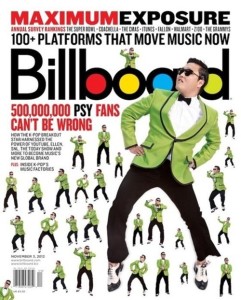
- 2012: Psy’s "Gangnam Style" became a global viral sensation, breaking the one-billion-view barrier on YouTube and forcing Western media to take notice of the Korean music industry.
- 2013: The industry saw a massive influx of "Third Generation" groups and a surge in content volume, leading to a crowded market that required more sophisticated filtering by fans and critics alike.
During this period, the sheer volume of content—ranging from weekly music show performances to variety show appearances and digital singles—created a demand for curated analysis. Sites like Seoulbeats filled this void by looking past the "polished sheen" of the industry to discuss issues such as cultural appropriation, gender roles, and the rigorous training systems of agencies like SM Entertainment, YG Entertainment, and JYP Entertainment.
Data and Industry Growth Metrics
The shift toward critical consumption coincides with the massive economic growth of the South Korean music industry. According to data from the Korea Creative Content Agency (KOCCA), K-pop exports grew by an average of 18.5% annually between 2007 and 2012. By 2013, the export value of South Korean music reached approximately $230 million USD.
As the financial stakes grew, so did the complexity of the industry’s business model. Contributors to the roundtable, such as Kelsey and Shweta, highlighted that their involvement with critical media made them more conscious of the "corporate piece" of K-pop. The lack of transparency in trainee contracts and the strategic "packaging" of groups became as much a point of interest as the music itself. This analytical lens allowed fans to appreciate the "technical and subjective level" of music success, acknowledging that K-pop is as much a triumph of industrial engineering as it is of artistic expression.
Community Building and the "K-pop Loner" Phenomenon
One of the most significant impacts of analytical media is its ability to foster a sense of community among fans who may feel isolated in their local environments. Several contributors, including Gabrielle and Mark, identified as "K-pop loners" before joining a critical platform. In many Western countries, K-pop remained a niche interest in the early 2010s, and fans often lacked peers with whom they could discuss their interests.

Analytical platforms serve as a "campfire" where fans can gather to discuss the industry’s "dark side" and its creative peaks. Unlike traditional fan forums, which are often characterized by "stanning" (obsessive support for an artist) and "vitriol" toward critics, these spaces encourage diverse opinions. Fannie, a long-term writer, noted that constant feedback from a critical readership forces writers to accept that "other people may have different preferences or opinions," which is a departure from the often echo-chamber nature of specific artist fandoms.
The "Idol Code" and Cultural Synthesis
A recurring theme in the analysis of K-pop is the tension between South Korean cultural standards and the expectations of a global, Westernized audience. Ambika and Nicholas pointed out that writing for a critical site necessitates an evaluation of one’s own societal norms. By critiquing the "Idol Code"—which includes strict dating bans, passive-aggressive communication styles, and rigid hierarchy—Western fans often find themselves reevaluating their own media and cultural systems.
This "disillusionment" is viewed by the contributors as a positive step toward intellectual maturity. Rather than viewing K-pop through a lens of orientalism or as mere "propaganda," critical consumers acknowledge the industry’s ability to produce a "universally decent standard of dancing and singing" while remaining skeptical of its long-term integration into the Western mainstream.

Official Responses and Industry Implications
While major South Korean entertainment agencies have historically maintained tight control over their artists’ narratives, the rise of independent, critical English-language media has forced a subtle shift in strategy. Agencies have increasingly recognized the power of international "tastemakers" who do not simply follow the official press releases but investigate the nuances of comebacks and corporate scandals.
The implications of this critical turn are manifold:
- Higher Standards for Performance: As Ambika noted, the high volume of content has raised the bar for what fans consider a "quality" performance. Mediocrity is more easily identified when consumers are exposed to a broad spectrum of the industry.
- Focus on Business Transparency: The demand for information regarding the "business aspect of music" has led to more investigative journalism within the Hallyu sphere, putting pressure on agencies to address labor and contract issues.
- Media Literacy: Fans who engage with analytical content are more likely to develop critical thinking skills that they apply to other forms of popular culture, becoming "critical consumers" in a broader sense.
Conclusion: The Future of Critical Fandom
The roundtable discussion underscores a fundamental change in the Hallyu Wave’s trajectory. As K-pop continues to evolve, the role of the "fan" is no longer monolithic. There is a growing segment of the audience that finds more value in the "critical and logical" examination of the industry than in the traditional pursuit of "oppa" (a term of endearment for male idols).

For these individuals, the Hallyu Wave is not just a source of entertainment but a subject of study. The detachment described by the writers is not a sign of waning interest, but a testament to the industry’s depth. By sifting through the "mediocre stuff" to find the "good stuff," and by questioning the systems that produce both, critical platforms like Seoulbeats have fundamentally altered the relationship between the Korean entertainment industry and its global audience. As the industry moves forward, the influence of these critical voices will likely continue to grow, challenging the "polished sheen" of K-pop and demanding a more transparent and artistically rigorous future for the genre.