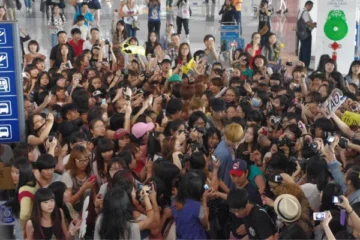
The Evolutionary Cycle of K-pop Fandom: From Digital Discovery to Cultural Integration
Article Editorial Team

The global expansion of South Korean popular music, commonly referred to as K-pop, has transformed from a regional subculture into a multi-billion-dollar international industry, driven largely by a highly structured and emotionally invested global fan base. This phenomenon, often termed the "Hallyu Wave," is characterized by a distinct lifecycle that fans navigate, moving from initial curiosity to intensive digital engagement and, eventually, to a state of long-term integration or withdrawal. As of 2023, reports from the Korea Foundation indicated that the number of global Hallyu fans had surpassed 178 million, a figure that highlights the scale of this cultural movement. Understanding the trajectory of the K-pop fan experience requires an analysis of the psychological, social, and economic factors that define the various stages of fandom, ranging from the first "introductory" contact to the complexities of "rehabilitation" and "renouncement."
The Introductory Stage: Sensory Overload and Initial Resistance
The entry point into K-pop fandom often begins with an accidental or algorithmic encounter on digital platforms such as YouTube, TikTok, or Instagram. For many uninitiated observers, particularly those in Western markets or regions where K-pop is not a mainstream staple, the first impression is frequently one of "sensory overload." This stage is defined by the high-production value of music videos, which utilize "neon box" sets, intricate choreography, and avant-garde fashion.
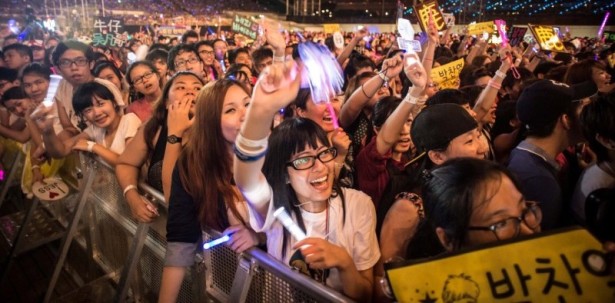
Journalistic analysis suggests that the initial reaction is often a mixture of confusion and skepticism. The "gender-bending" aesthetics of male idols and the highly synchronized, almost mechanical precision of dance routines can appear "gimmicky" to those accustomed to the more individualistic and less polished presentation of Western pop artists. Furthermore, pre-existing fans of specific groups often exhibit a protective gatekeeping mechanism. For instance, during the rise of BTS, fans of established groups like B.A.P often viewed the newcomers with suspicion, citing perceived similarities in concept and style. This initial resistance is a common psychological barrier, yet it frequently serves as the precursor to the next, more curious phase of engagement.
The Investigative Phase: The Role of Digital Algorithms
Following the initial exposure, a "latent interest" often develops. This second stage, the investigative phase, is fueled by the curiosity to understand the mechanics of the genre. A casual search for a single song, such as Girls’ Generation’s "I Got a Boy"—noted for its experimental, multi-genre structure—often leads to a "rabbit hole" effect. Digital platforms are optimized to capitalize on this curiosity, serving a continuous stream of "recommended" content, including "behind-the-scenes" footage, variety show appearances, and fan-made compilations.
During this stage, the observer begins to differentiate between members of a group, moving beyond the music to the personalities of the performers. This is where the industry’s strategy of "total entertainment" becomes effective; idols are not just singers but also actors, models, and variety stars. Data suggests that the more time a potential fan spends investigating these personality traits, the higher the likelihood of them transitioning into a dedicated "stan."

The Obsessive Stage: Parasocial Relationships and Digital Labor
The third stage of fandom is characterized by a sudden and deep immersion into the community, often referred to as the "obsessive stage." This period is marked by the development of parasocial relationships—one-sided emotional bonds where the fan feels a deep personal connection to the idol. This is the point where fans begin to curate "bias lists," identifying their favorite members (the "bias") and struggling with "bias wreckers" (members who challenge their loyalty to their primary favorite).
This stage involves a significant commitment of time and "digital labor." Fans often put their personal lives on hold to follow real-time updates on social media platforms like Twitter (X) or specialized apps like Weverse and Bubble. The labor includes organized streaming parties to boost music chart rankings, mass-voting for award shows, and the creation of fan art or subtitled video content. Industry experts from major labels such as SM Entertainment and HYBE have noted that this level of engagement is what allows K-pop to maintain its dominance on global charts despite having less traditional radio play in certain regions.
The Denial and Acknowledgment Phases: The Conflict of Real-World Priorities
As the obsession deepens, many fans enter a "denial stage." At this point, the fandom starts to interfere with professional, academic, or social obligations. External observers, such as family and friends, may begin to voice concerns regarding the fan’s "addiction." Fans in this stage often reject these criticisms, justifying their behavior as a legitimate hobby while simultaneously spending hours consuming content or participating in online discourse.

However, the "acknowledgment stage" eventually arrives, often triggered by a "slump" or a moment of burnout. This realization usually stems from the physical and mental toll of maintaining such a high level of engagement—evidenced by sleep deprivation from watching late-night South Korean broadcasts or the accumulation of overdue tasks. At this juncture, the fan is forced to assess the extent of their emotional and financial dependence on the idol group. This period often leads to a "semi-hiatus," where the fan intentionally withdraws from social media to focus on "normal life."
The Rehabilitation and Relapse Cycle
The "rehabilitation stage" represents a concerted effort to regain a balanced lifestyle. This involves re-establishing a regular sleep schedule, diversifying music tastes, and engaging in social interactions that do not revolve around K-pop. For some, this is a successful transition toward a more moderate form of consumption.
Nevertheless, the "relapse stage" is a frequent occurrence. The K-pop industry is designed for constant engagement, with new "comebacks" (album releases) and content cycles occurring frequently. A single notification—a new teaser photo, a high-profile award win (Daesang), or a "selca" (selfie) posted by a bias—can pull a fan back into the cycle. The guilt of "missing out" during their period of absence often drives the fan back into an even more intensive state of devotion as they attempt to "catch up" on lost time.

Long-term Outcomes: Integration vs. Renouncement
Ultimately, the lifecycle of a K-pop fan typically resolves into one of two final states:
1. The Balanced Stage
In this outcome, the fan achieves a "harmony" between their interest in K-pop and their real-world responsibilities. They acknowledge that while the music and the community are important sources of joy, they must be managed within safe limits. This "yin and yang" approach allows for sustainable, long-term fandom that does not result in burnout or life disruption.
2. The Renouncement
Conversely, some fans choose the path of "renouncement." This often occurs as fans mature or as their life circumstances change. For many, K-pop was a phase associated with adolescence or a specific emotional void that has since been filled by other pursuits. Renouncement can also be the result of negative experiences within the fandom, such as "toxic" online behavior, or a "breaking point" event, such as a favorite member leaving a group or a major scandal that shatters the idol’s image.

Broader Impact and Implications for the Global Music Industry
The structured stages of K-pop fandom offer a blueprint for how modern digital communities are built and sustained. The economic impact is undeniable; in 2022, South Korea’s music industry exports reached a record high of approximately $920 million, a 17.7% increase from the previous year, according to the Ministry of Culture, Sports, and Tourism. This growth is directly tied to the "obsessive" and "investigative" stages of the fan lifecycle, which drive high volumes of physical album sales and digital engagement.
From a sociological perspective, the K-pop fandom experience highlights the power of "community identity." Whether a fan is in the "introductory" or "balanced" stage, they are part of a global network that transcends geographical and linguistic barriers. While the intensity of the "obsessive stage" presents challenges for mental health and personal balance, the overarching experience is often viewed as a positive force for cultural exchange and personal growth. As the industry continues to evolve with the integration of AI idols and metaverse platforms, the stages of fandom may shift, but the fundamental human desire for connection and curated entertainment remains the driving force behind the Hallyu phenomenon.
Related News