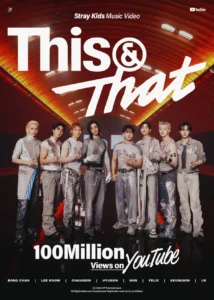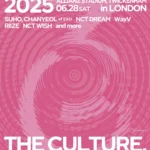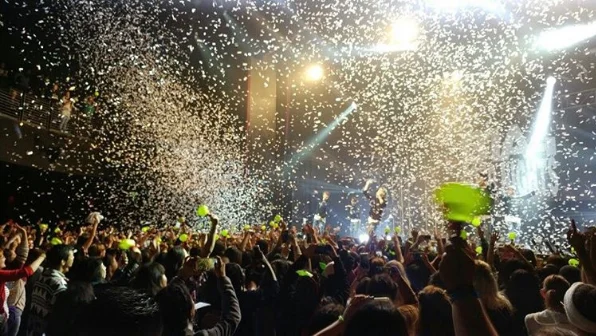
The concept of fandom has evolved from a niche hobby into a formidable global movement, reshaping the landscape of celebrity culture and digital activism. In the contemporary era, major public figures—ranging from musical artists and professional gamers to digital influencers—command vast, highly organized fan bases that transcend traditional demographic boundaries. These groups, often identified by specific "fandom names" such as BTS’s ARMY, Stray Kids’ STAY, or BLACKPINK’s BLINKs, are united by a singular primary objective: the unwavering support of their chosen celebrity. However, the intersection of social media and globalization has transformed these groups into something far more complex than mere enthusiast clubs. Today, K-pop fandoms function as sophisticated social movements capable of influencing international politics, social justice initiatives, and corporate strategies, though this power remains a double-edged sword.
The Sociological Foundations of Digital Collectivism
To understand the efficacy of K-pop fandoms, one must examine the sociological concept of collectivism. Unlike Western individualist frameworks, many East Asian cultures—including South Korea—place a high premium on the well-being and goals of the community over the individual. This cultural ethos is deeply embedded in the K-pop industry, where the relationship between the artist and the fan is cultivated as a symbiotic partnership. When this collectivist mindset is exported globally through digital platforms, it creates a highly disciplined and efficient network of individuals working toward common goals.
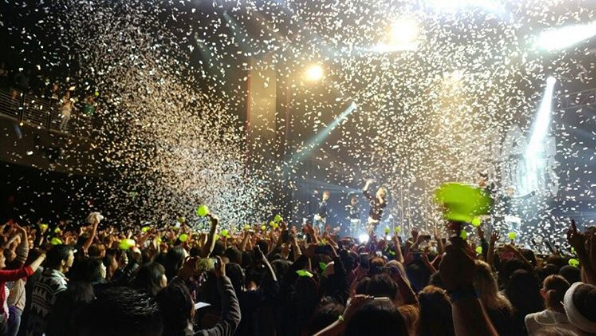
Social movements are academically defined as forms of collective action spanning various networks and interactions, driven by a shared identity. K-pop fandoms fit this definition with precision. They operate through informal but highly structured communication networks, primarily on platforms like X (formerly Twitter), Discord, and TikTok. These networks allow fans to synchronize their efforts across different time zones, languages, and jurisdictions, effectively turning a global audience into a singular, responsive unit. Whether the goal is to drive a song to the top of the Billboard charts or to raise hundreds of thousands of dollars for charity, the mechanism of action remains rooted in this digital collectivism.
Globalization and the Rise of the Hallyu Wave
The current influence of K-pop is a direct result of "Hallyu," or the Korean Wave—a concerted effort by South Korea to export its cultural products. This globalization has been remarkably successful in the West. Beyond the music industry, South Korean cinema achieved a historic milestone in 2020 when Bong Joon-ho’s Parasite became the first non-English language film to win the Academy Award for Best Picture. This was followed in 2021 by Youn Yuh-jung’s Oscar win for Best Supporting Actress in Minari.
K-pop serves as the vanguard of this cultural expansion. Groups like BTS and BLACKPINK have moved beyond the status of "foreign acts" to become mainstream global icons, selling out stadium tours in North America, Europe, and South America. This visibility is bolstered by a marketing strategy that prioritizes shareability. The rise of "reaction videos"—a genre where creators document their first impressions of music videos—has created a feedback loop that continually introduces K-pop to new audiences. Channels like ReacttotheK, which analyzes the musicality of K-pop from a classical perspective, demonstrate how the genre has penetrated academic and professional spheres that were previously indifferent to pop music.

A Chronology of Political and Social Mobilization
The year 2020 marked a turning point where K-pop fandoms transitioned from entertainment-focused activities to high-stakes political and social activism. The scale of this mobilization caught traditional political analysts and media outlets by surprise.
June 2020: The Black Lives Matter Donation
On June 4, 2020, BTS and their management agency, Big Hit Entertainment (now HYBE), announced a $1 million donation to the Black Lives Matter (BLM) movement. Within minutes, the fan-led charity collective "One in an ARMY" launched the #MatchTheMillion campaign. In an unprecedented display of financial mobilization, the fandom matched the $1 million donation in just 24 hours. By the end of the weekend, the total had exceeded $1.2 million, sourced from small individual contributions from fans worldwide.
June 2020: The Tulsa Rally Disruption
Later that month, K-pop fans were credited with disrupting a campaign rally for then-President Donald Trump in Tulsa, Oklahoma. Thousands of fans, coordinated via TikTok and Twitter, reserved tickets for the event with no intention of attending. While the campaign had boasted of over a million ticket requests, the actual attendance was reported at fewer than 6,200 people in a 19,000-seat arena. While other factors contributed to the low turnout, the coordinated effort demonstrated the fandom’s ability to interfere with high-level political logistics.
Digital Counter-Protest Tactics
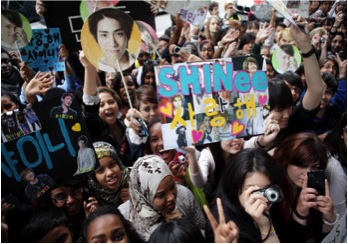
During the height of the 2020 social justice protests, K-pop fans utilized their "fancam" culture—short video clips of idols performing—to drown out racist rhetoric. When white supremacist groups attempted to trend hashtags like #WhiteLivesMatter, K-pop fans flooded the tag with thousands of idol videos, rendering the original content unsearchable. Similarly, when the Dallas Police Department asked citizens to submit videos of "illegal activity" during protests via an app, K-pop fans overloaded the app with fancams, causing it to crash.
The Mechanics of Fandom Influence: Data and Tactics
The power of these movements is not merely anecdotal; it is backed by staggering digital metrics. K-pop fans are among the most active social media users globally. In 2020 alone, there were over 6.7 billion tweets about K-pop. This volume allows fandoms to "clear the searches"—a tactic where fans tweet positive phrases associated with an idol’s name to push down negative news or scandals in search engine algorithms.
This efficiency also applies to corporate engagement. When a fandom feels their idol has been mistreated by a brand or a broadcasting station, they can mobilize thousands of emails and social media mentions within hours. In the case of Stray Kids’ Hyunjin, who faced bullying allegations in early 2021, the STAY fandom utilized hashtags to demonstrate continued commercial viability to the group’s label, JYP Entertainment, effectively influencing the company’s management strategy during the artist’s hiatus.

The Paradox: Activism vs. Idol Protection
Despite the positive headlines surrounding charity and political activism, the weaponization of fandom has a darker side. Critics argue that the primary loyalty of a fandom is to the celebrity, not necessarily to the social cause they appear to support. This creates a "paradox of intention" where social justice tactics are used only when they align with the idol’s image.
Internal Silencing and Dogpiling
Many fans, particularly those from minority backgrounds, have reported negative experiences within these digital spaces. When a K-pop idol is accused of cultural appropriation—such as wearing hairstyles or clothing from a culture not their own—Black and Brown fans who voice criticism are often "dogpiled" by the larger fandom. In these instances, the collective power of the group is used to silence dissent and protect the artist’s reputation, rather than to engage in a good-faith discussion about social justice.
The Weaponization of Information
The practice of "clearing searches" and flooding hashtags can also be seen as a form of information suppression. By prioritizing the idol’s image over factual reporting, fandoms can create an echo chamber where legitimate criticisms or scandals are obscured by a wall of curated positive content. This raises ethical questions about the role of fandoms in the "post-truth" digital era, where the loudest and most organized group can effectively control the narrative.
Broader Implications and the Future of Fandom
The evolution of K-pop fandoms suggests that the line between consumerism and citizenship is increasingly blurred. These groups have proven that they can function as a "digital infantry," capable of rapid mobilization for diverse causes. However, the limitation of fandom-based activism is its inherent person-centric nature. Unlike traditional social movements that are built around a set of ideologies or policy goals, fandom movements are built around a person—an idol.
As globalization continues to erase physical borders, the influence of these digital collectives will likely grow. Governments and corporations are now forced to recognize fandoms as legitimate stakeholders in the public sphere. However, for these groups to be considered true agents of social change, they must navigate the tension between their devotion to a celebrity and their commitment to the universal values they often claim to represent.
In conclusion, K-pop fandom is a testament to the power of modern globalization and digital collectivism. It has the capacity to raise millions for charity and challenge political narratives, but it also possesses the tools to silence marginalized voices within its own ranks. As these movements continue to mature, the world will watch to see whether their goal remains the protection of an image or the pursuit of genuine justice. The phenomenon serves as a reminder that in the digital age, the most powerful force is not necessarily the one with the most money, but the one with the most organized and engaged community.